
Registering a private certification, Part 2: actual registration and tips for when documents are returned | Kolleges

A step-by-step walkthrough of submitting a Korean private certification on the PQI system, the top document-return pitfalls to avoid, and what annual monitoring requires after registration.
How to apply for a private certification for educational institutions and sole proprietors - Part 2
In Part 1 we covered the documents and application procedure required for registering a private certification, and in Part 2 we’ll look concretely at the actual application process and how to respond to document return emails. We’ve also organized the key points easy to miss, to provide practical help to educational institutions and sole proprietors who want to operate a private certification themselves.
Private certification registration procedure and time required
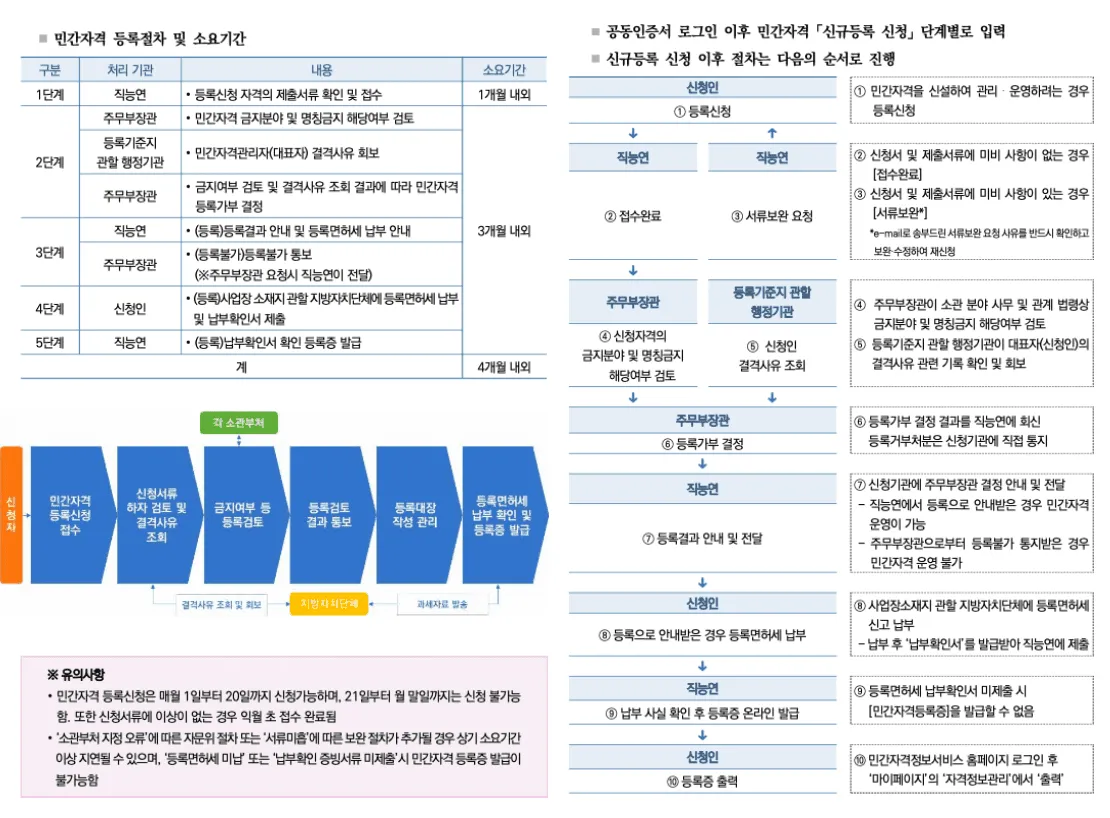
Registering a new private certification takes longer than you might think. After application, the procedure proceeds as follows.
- 1 PQI (Korea Vocational Ability Development Institute) receipt - Your application documents are received by PQI.
- 2 Competent ministry review - The application is forwarded to each competent ministry for review.
- 3 Registration and issuance completion - Once it passes review, registration is completed.
The average time to new registration is about 3 months, sometimes as long as 4 months. If you apply for registration by the 20th of each month, it gets received by each competent ministry the following month, and if there are any document gaps, the additional submission period can stretch it even further.
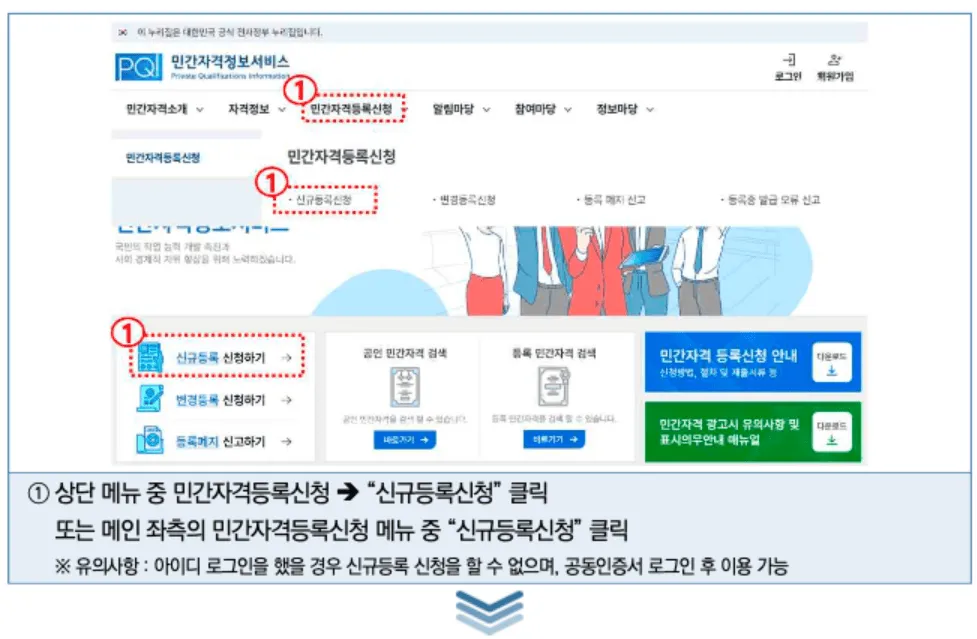
Actual private certification registration - PQI system step-by-step guide
-
Access the Korea Vocational Ability Development Institute’s “Private Certification Information Service” website
-
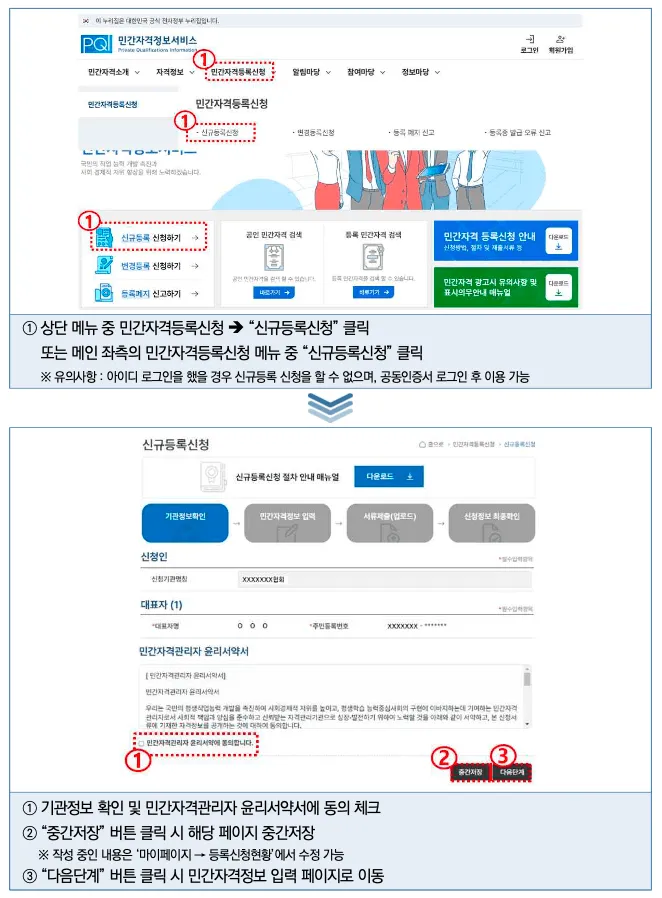
Log in with a joint certificate (ID login is not allowed)
-
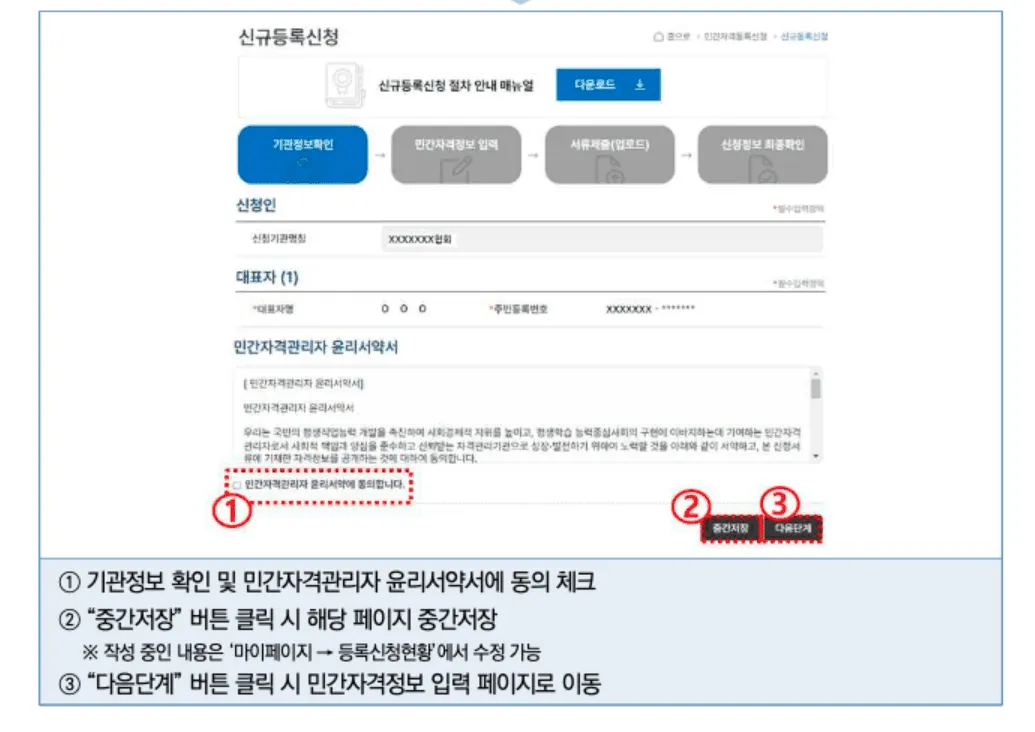
Confirm institutional information & agree to the ethics pledge
-
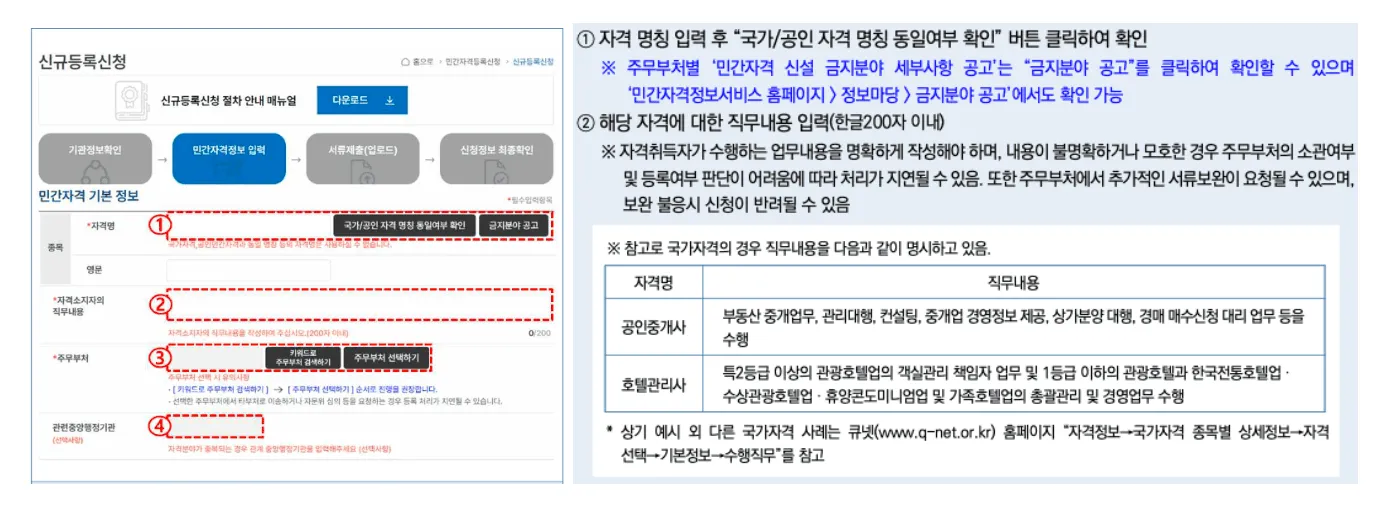
Enter the certification name and job description (refer to examples)
-
Search for and select the competent ministry
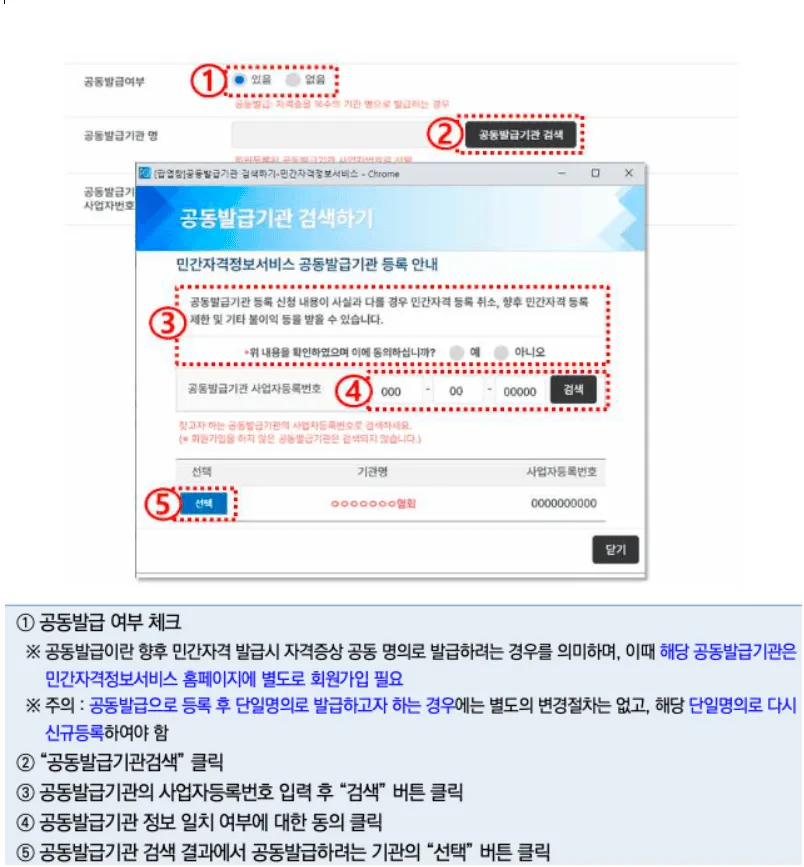
- Register co-issuing institutions (if applicable)
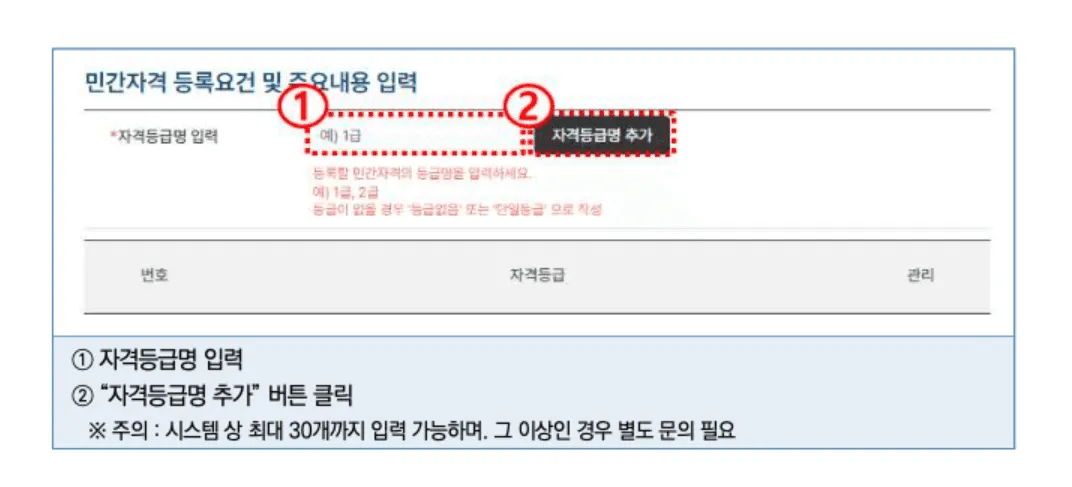
- Enter qualification grade names
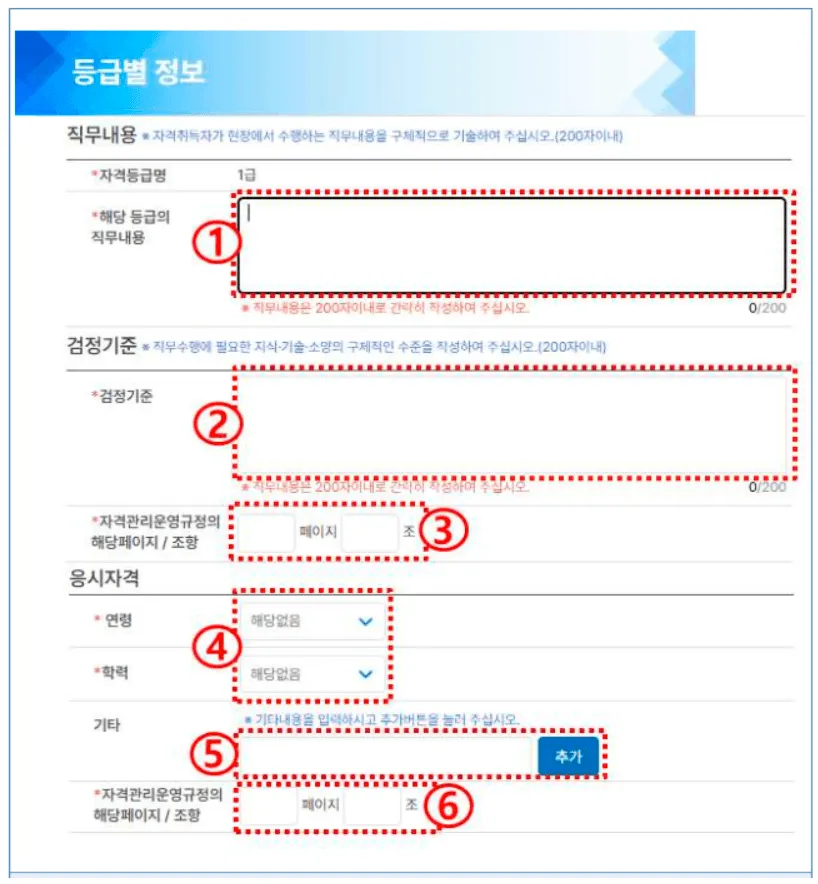
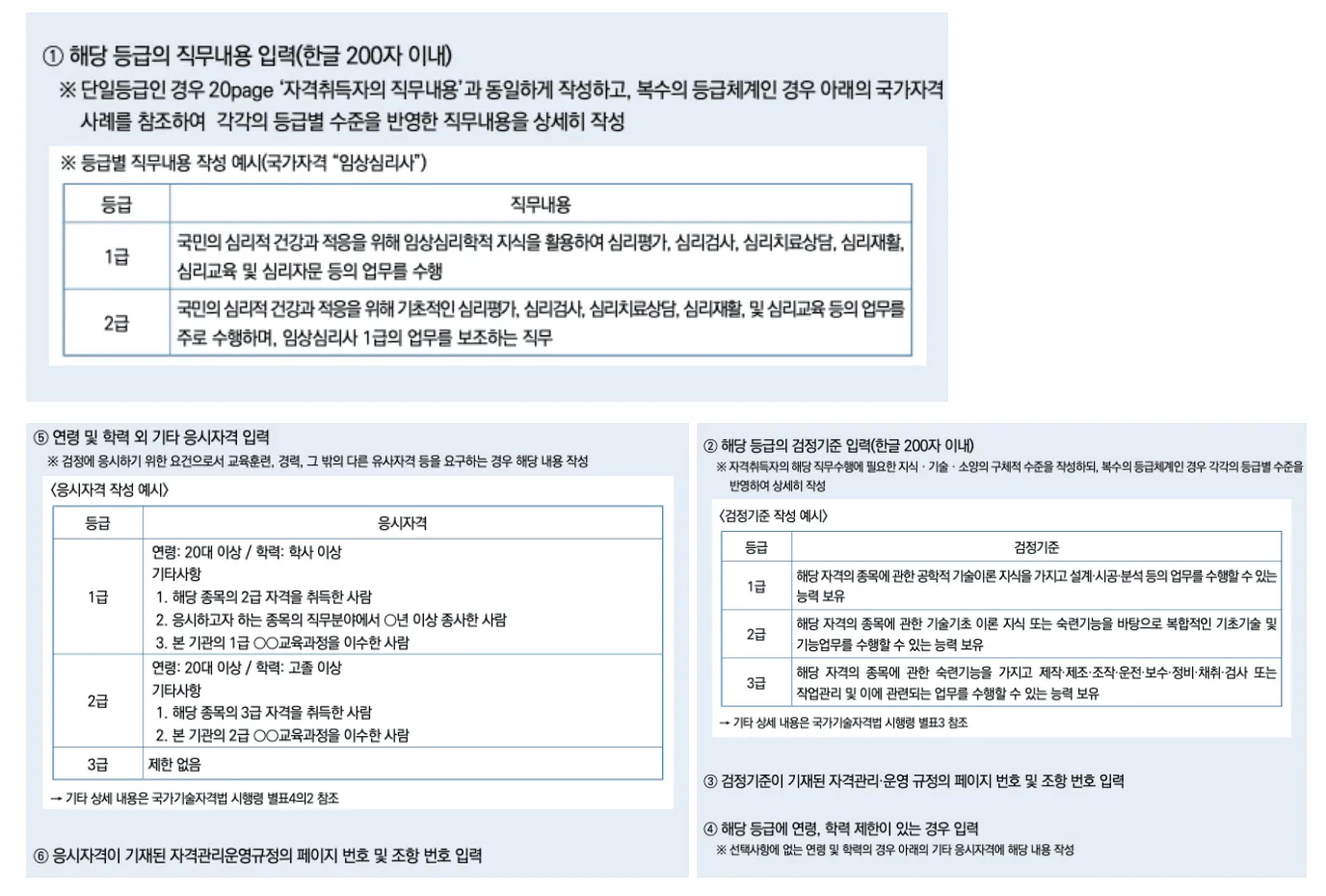
- Enter 6 details per grade
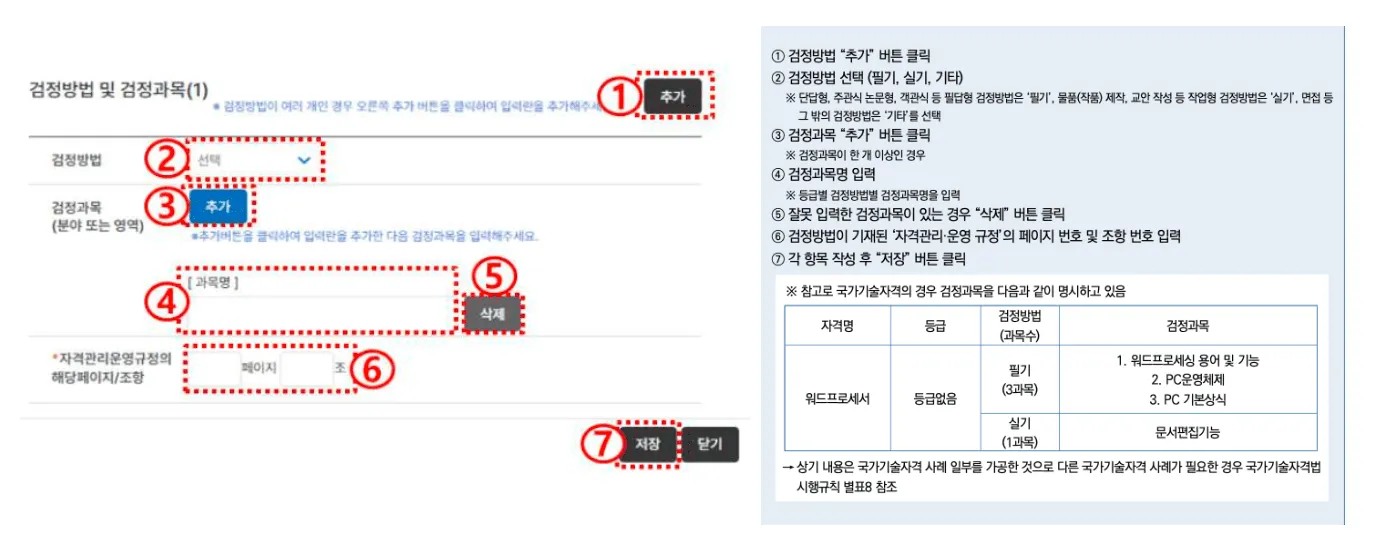
- Enter assessment methods and subjects
- Grade content can be edited or deleted
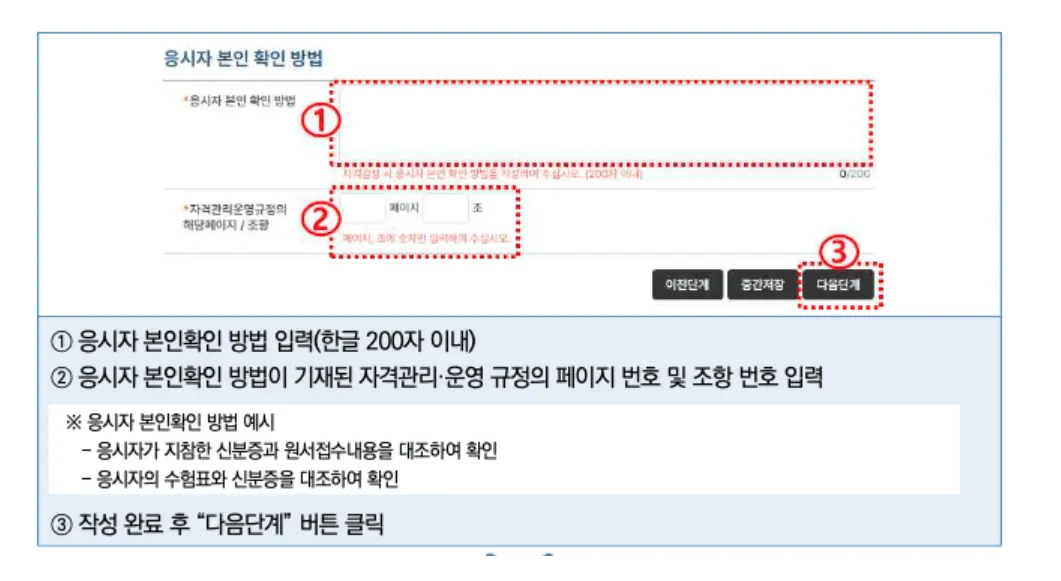
- Enter applicant identity verification method
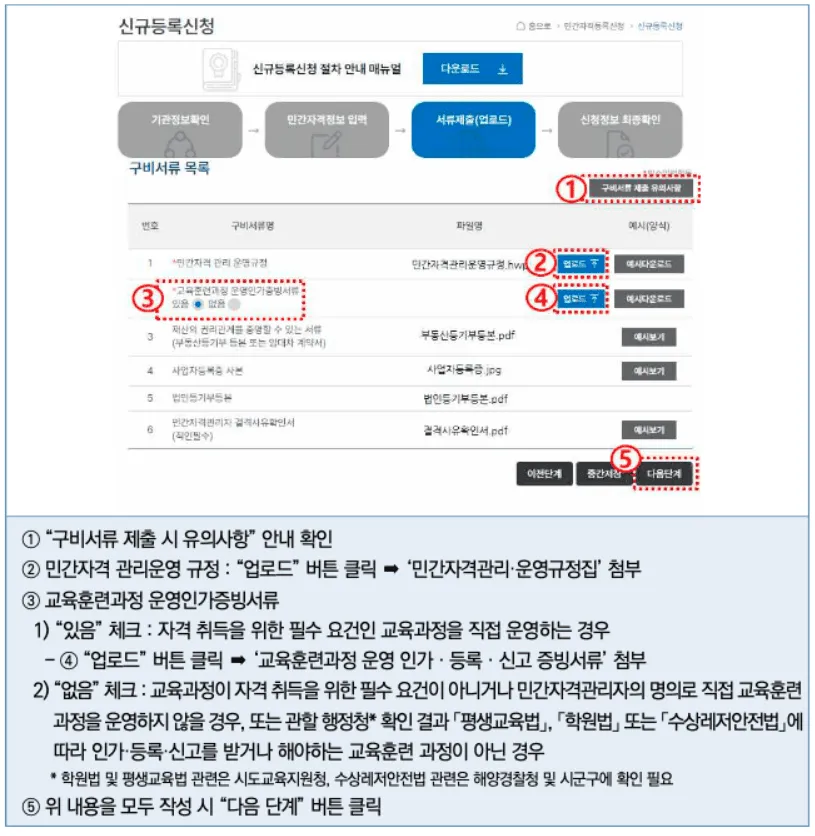
- Upload the private certification management and operation regulations
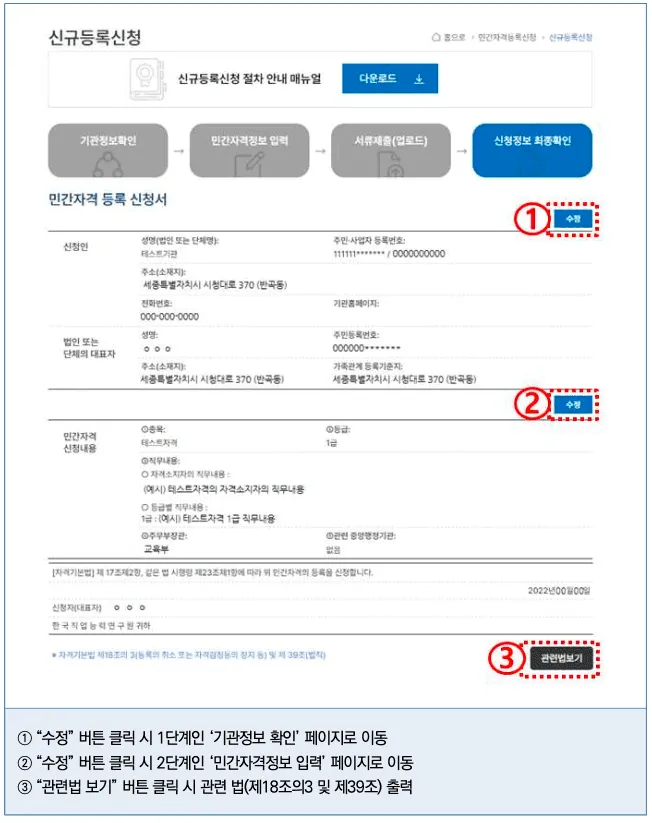
- Final information check and edit
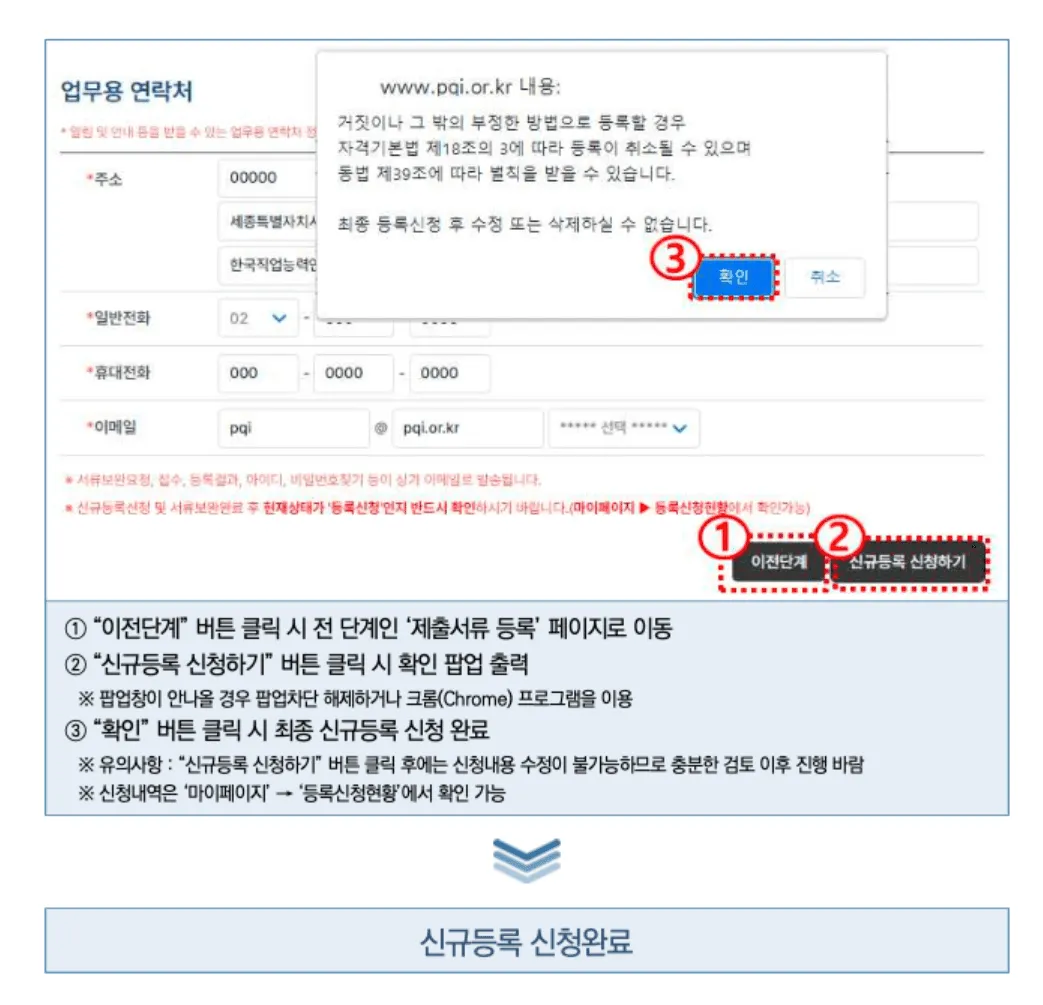
- New registration application → final confirmation
Once you’ve entered every item correctly and completed the final submission, the registration procedure begins.
Tips for when documents are returned
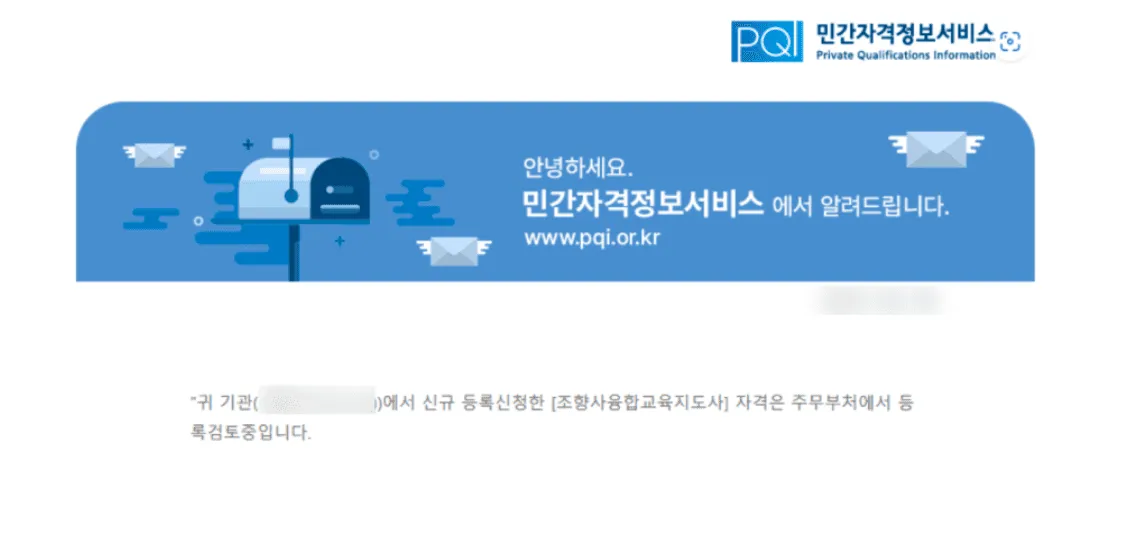
The most frequent issue in the new registration process is document return. If you don’t address the return reasons quickly, the review period gets longer, so refer to the cases below and prevent them in advance.
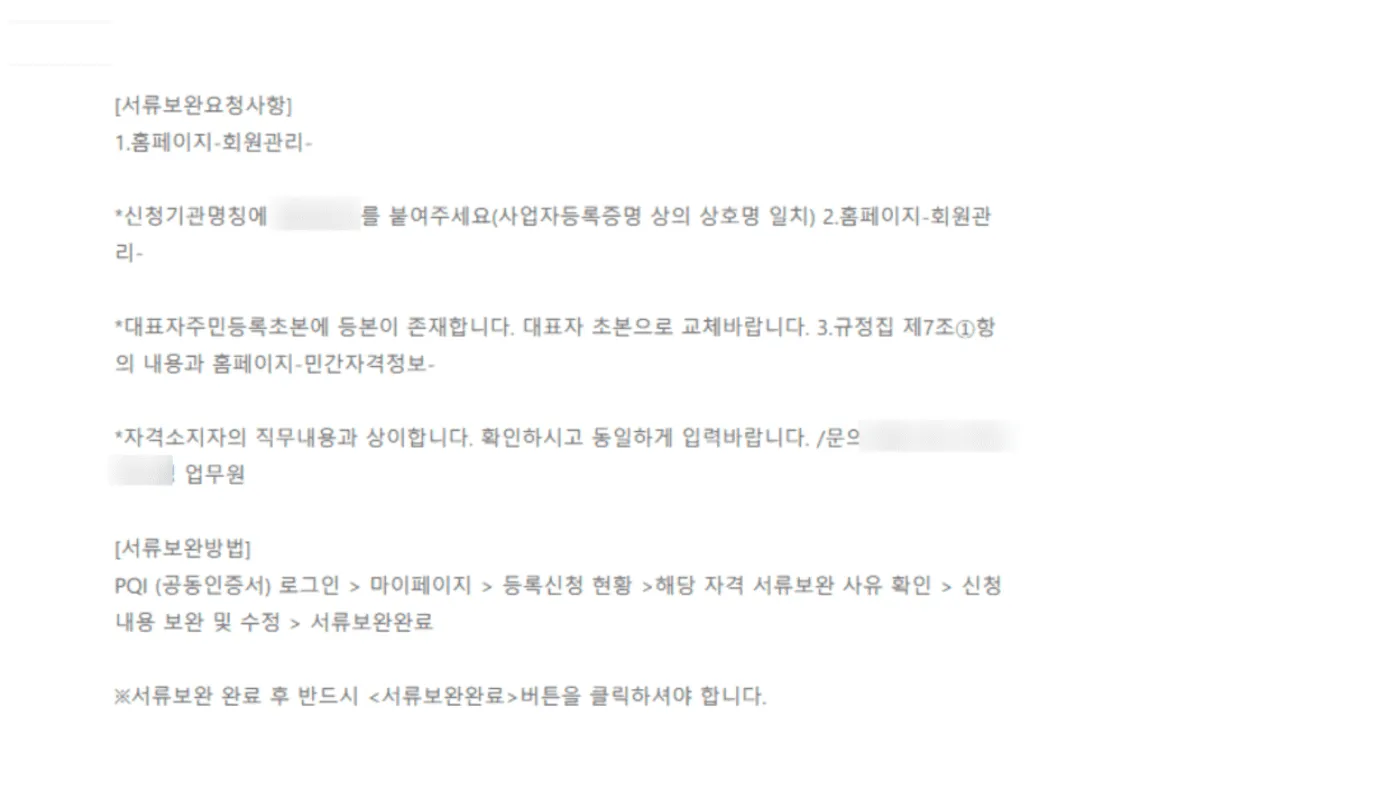
-
Mismatch between business registration certificate name and applicant institution name
-
Submitting the representative’s family register instead of personal certified register
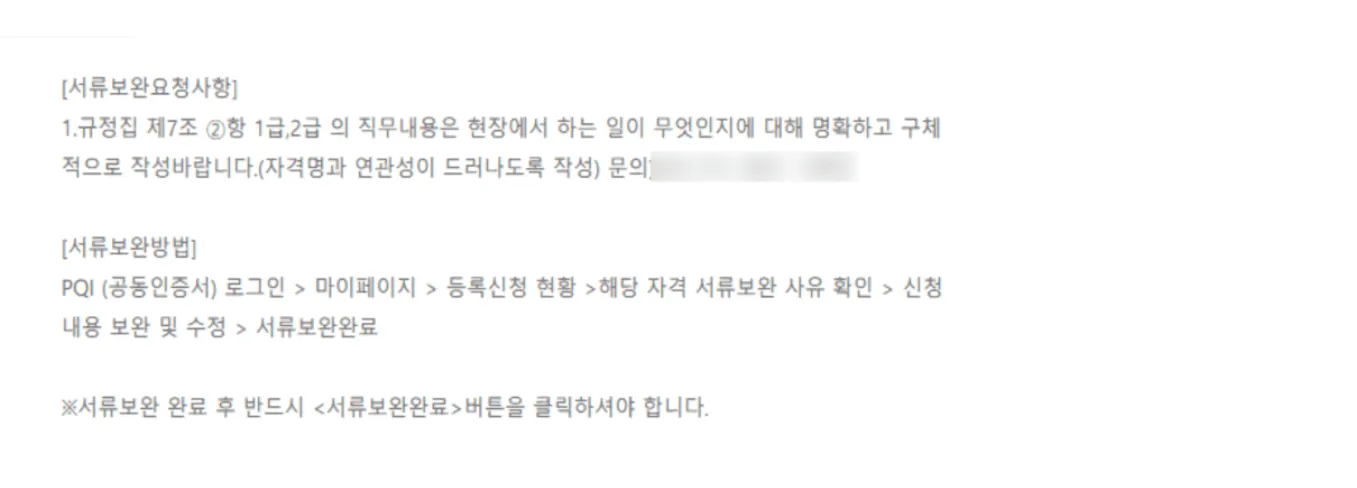
- Job description is not specific (write focused on field work)
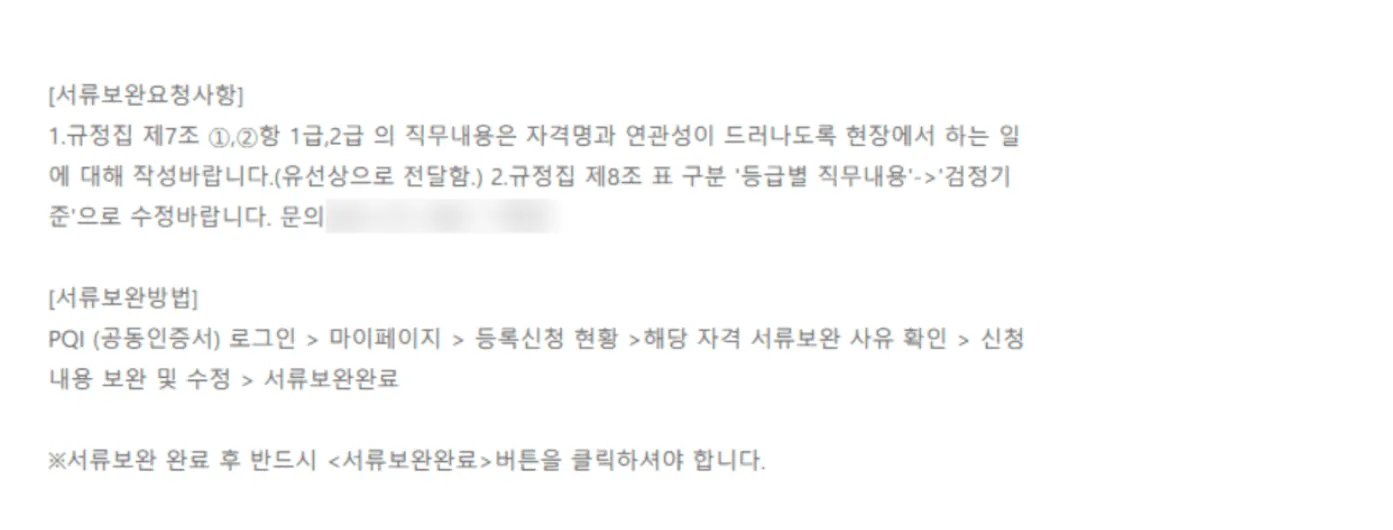
- Incomplete operation regulations document (fill out in detail per the template)
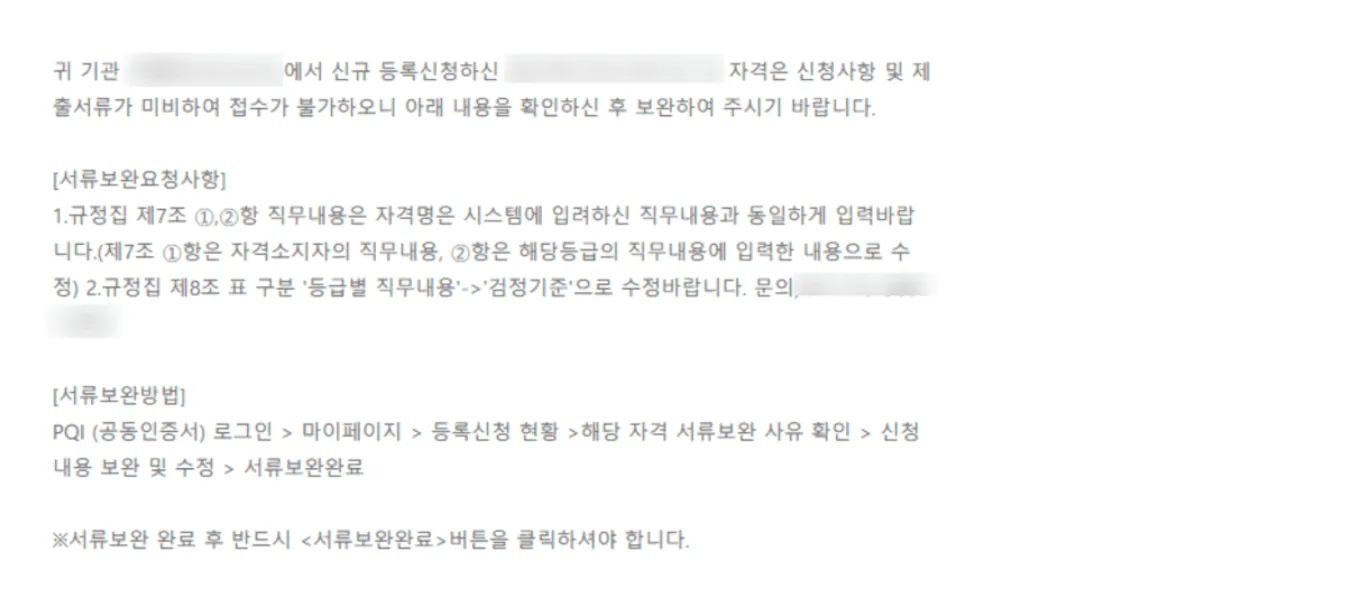
- Mismatch between operation regulations’ job description and system input
Reviewing these in advance can greatly reduce the chance of return.
Cautions for private certification advertising review
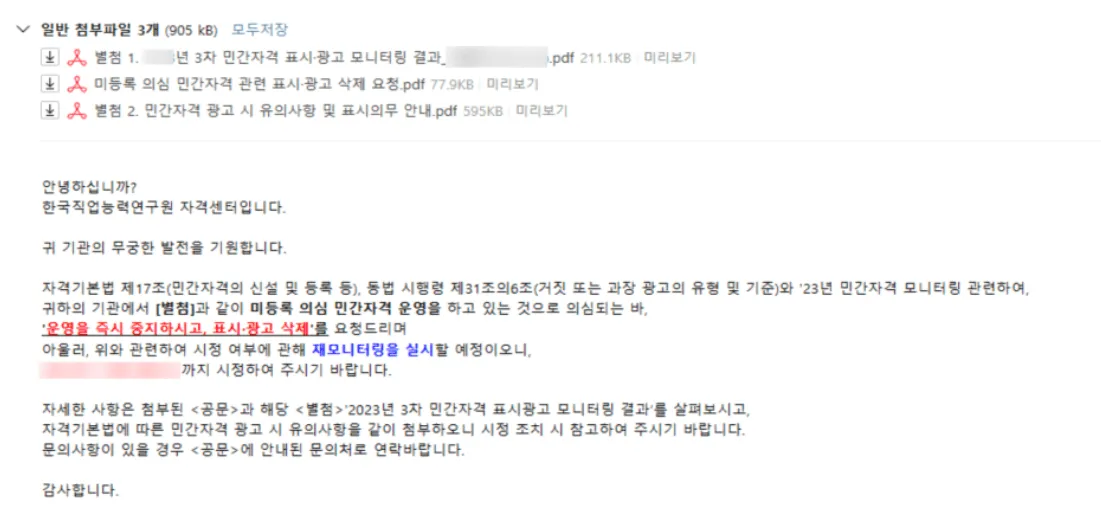
It’s not over after private certification registration. The Korea Vocational Ability Development Institute conducts annual private certification monitoring.
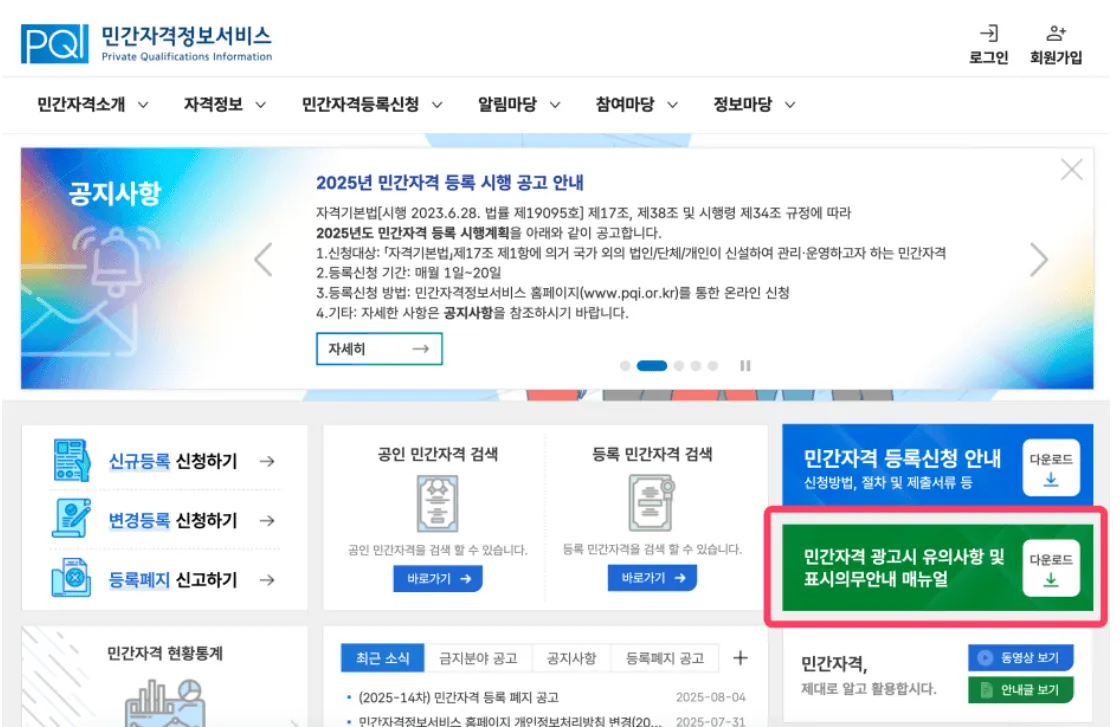
If you promote an unregistered certification or violate advertising display rules, you may receive a correction request email. Be sure to check the advertising precautions and display obligation guide manual on their website.
Operation after registration matters more
Private certifications must report issuance records periodically, and neglecting this can cause problems for maintaining registration. In addition, consistent student recruitment and marketing strategies are essential.
In Part 3, we’ll explain how to efficiently run private certification administrative management and marketing. If you’re thinking about operating a private certification, be sure to check it out next.
Frequently asked questions
Want to turn learning outcomes into verifiable assets?
From issuing to verifying and amplifying, see it for yourself with Kolleges.
Request a Kolleges demoRelated posts

Registering a Private Certification, Part 1: Required Documents and Application Process | Kolleges
Educational institutions and sole proprietors can officially register a private certification in Korea by submitting the right documents and an Operations Regulation to KRIVET's Private Qualification Information Service between the 1st and 20th of each month.

Why Operating a Private Certification Is Harder Than Registering One | Kolleges
Discover why one-third of private certifications are abolished each year and how automating issuance, history management, and marketing prevents early abolishment.
Private certification - meaning, registration process, accreditation system, and criteria
Private certifications are non-government credentials covering 52,879 types across 14,772 institutions - here's how to register one and earn official accreditation.