
"The UMC Innovation Story Leading 5,000 College Developers" - Junyoung Oh, Head of Operations at UMC | Kolleges
 Robin Yoon · Customer Success Team Published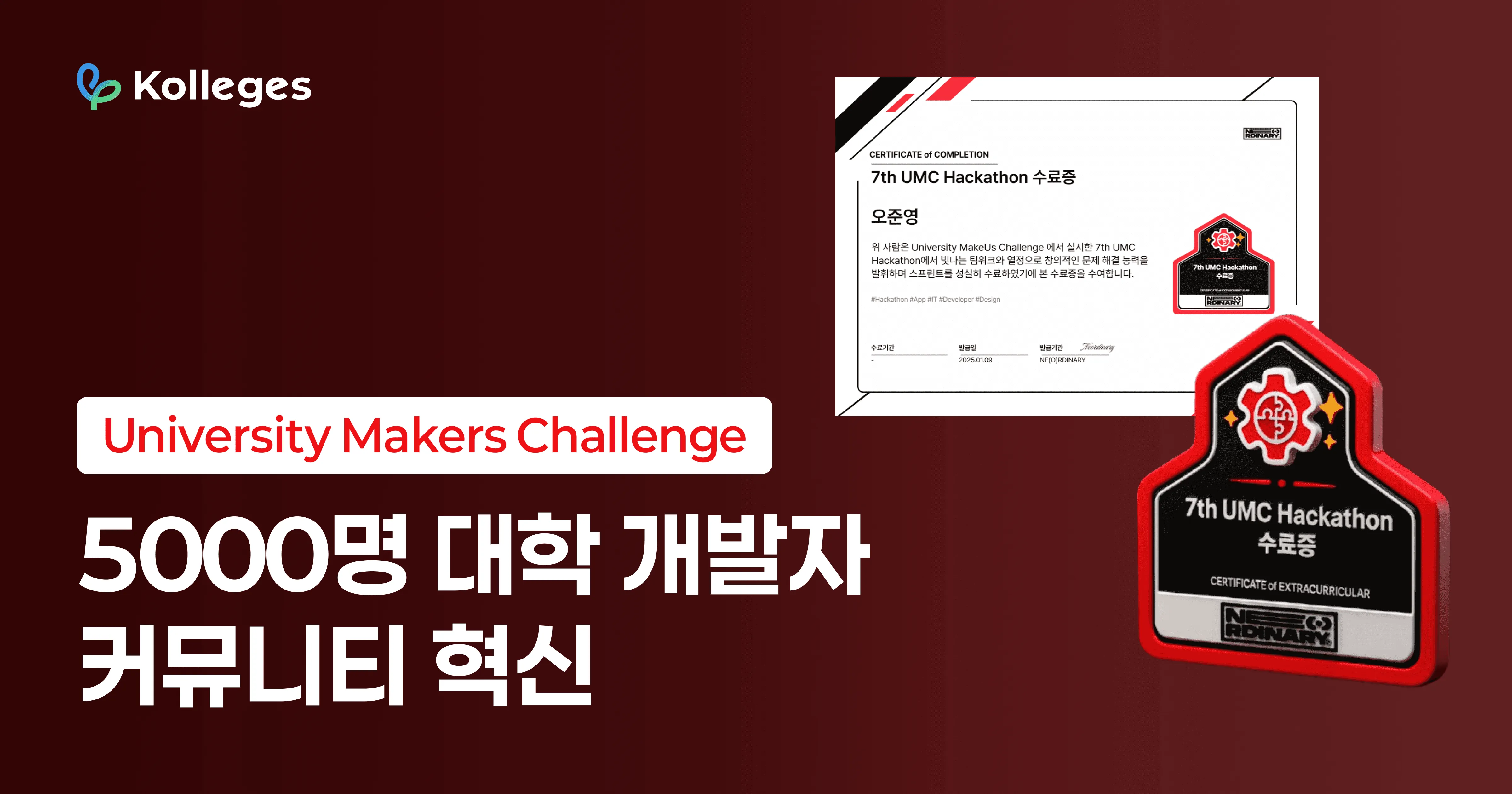
UMC cut its top support burden - endless certificate reissue requests from 1,000 students per cohort - by switching to Kolleges bulk digital badge issuance.
“We wanted to solve the difficulties college students face when teaching themselves to code, and create a fun development culture where we grow together.” Those are the words of Junyoung Oh, Head of Operations at UMC (University MakeUs Challenge). With about 5,000 college developers across 25 universities, UMC has grown into Korea’s largest college IT club.
Q. What kind of organization is UMC?
UMC is a college IT alliance side-project club where college students can enjoy learning and taking on challenges in development. It became more than just an educational program - it became a culture, thanks to Seowoo Lee who led from the 2nd to the 5th cohort and Manager Seungmin Park who led the 6th. In particular, our unique philosophy of “playing comfortably and taking on challenges in the members’ Playground” has resonated with many students. Starting with the 7th cohort, I’ve been in charge of overall UMC operations.
Q. We’ve heard the operation is at quite a large scale.
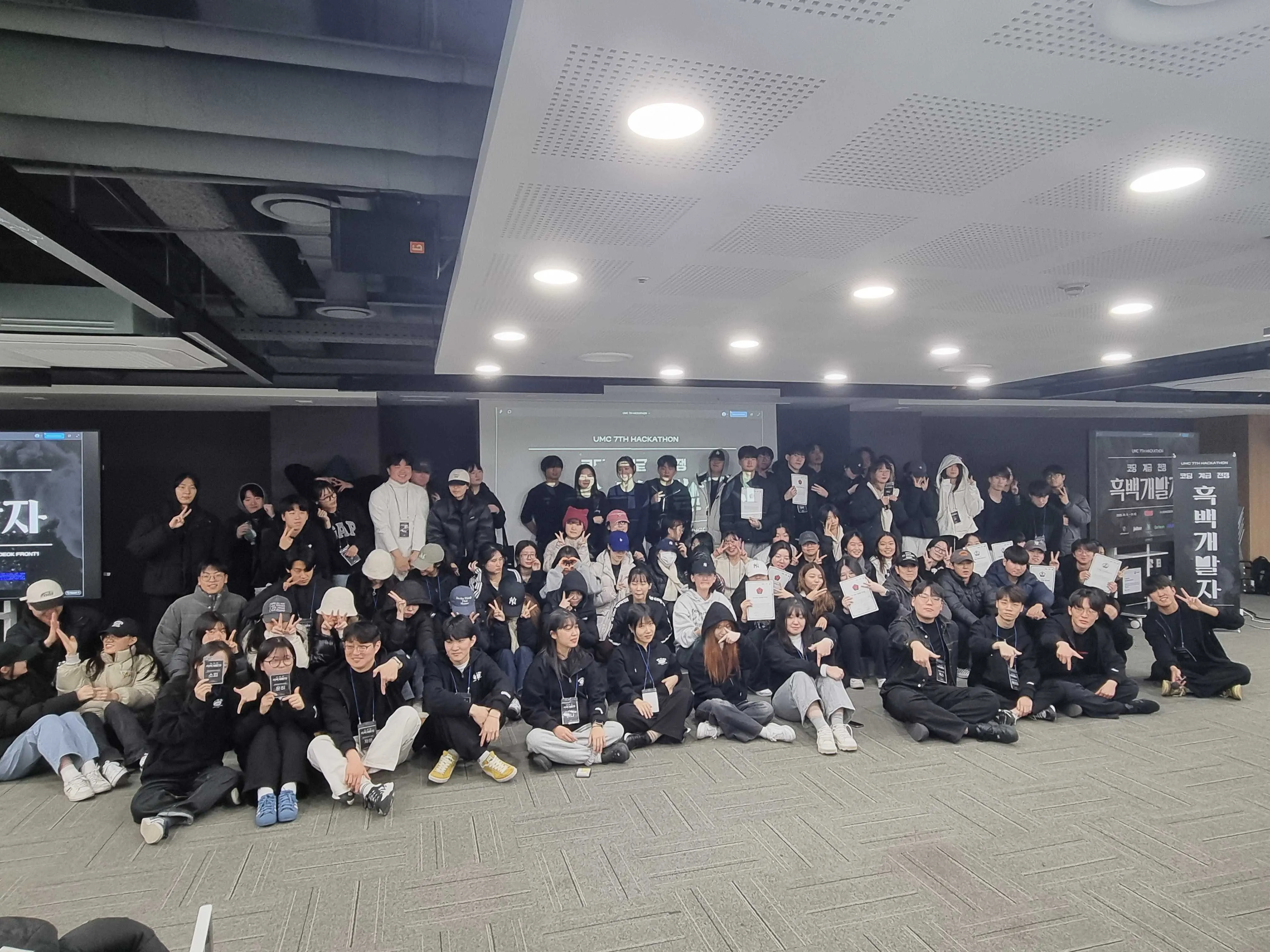
Yes, currently around 1,000 students from 25 universities participate in each cohort. Each school has its own operations team and presidents, while a central operations team plans and manages all events. Most participants major in computer science, but students from various design departments also join. Particularly, many of those participating are students who love challenges and want to learn new things.
Q. Running such a large organization must come with many challenges.
You have to operate a complex organizational structure efficiently. Since each school has different circumstances and needs, building an educational system that satisfies every member isn’t easy.
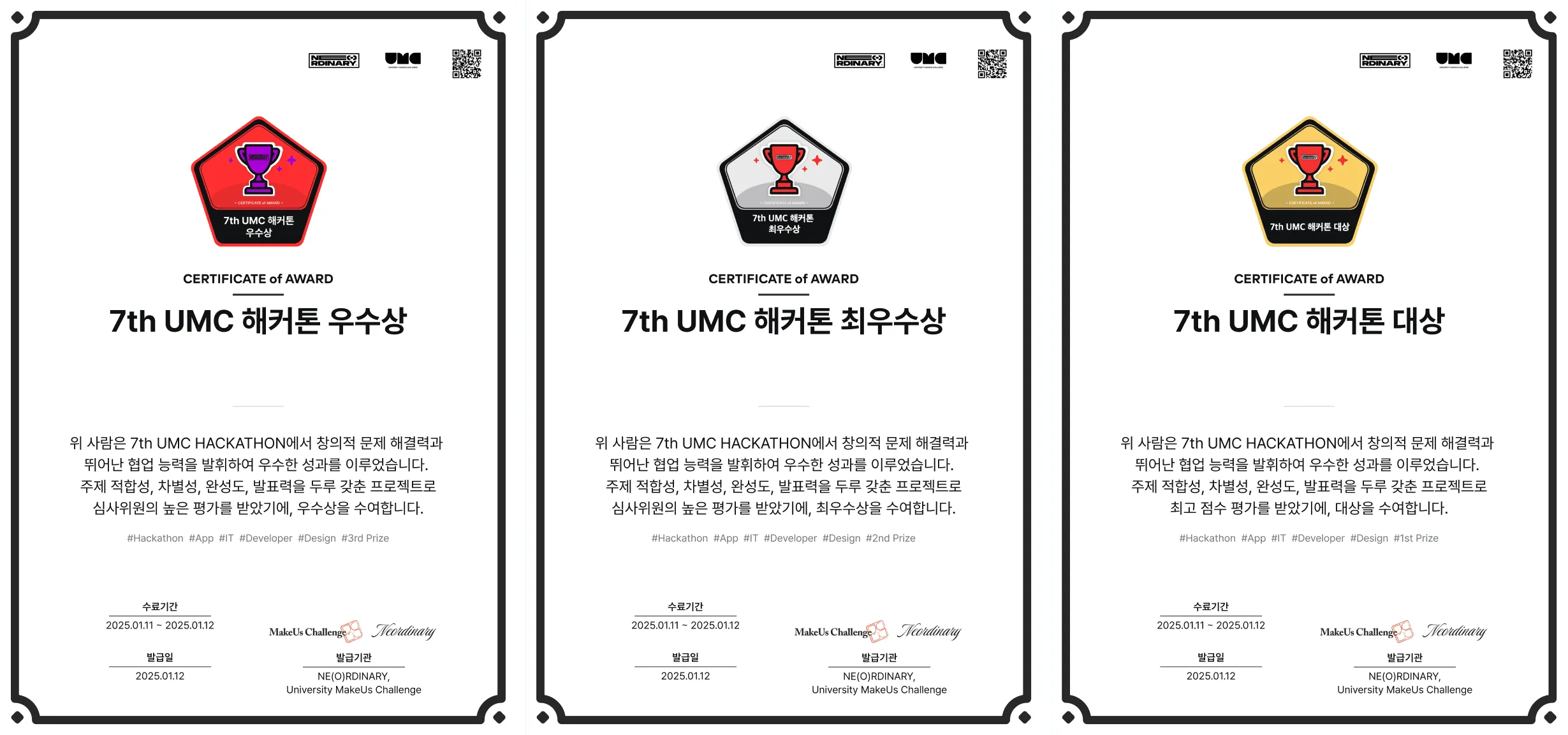
Managing completion certificates and awards was also a major task. With about 1,000 students per cohort receiving various certificates, requests for lost or reissued certificates kept pouring in. In fact, the most common inquiry UMC received was for the reissuance of completion certificates and awards. These administrative tasks ended up cutting into the time we could invest in essential activities like education and event planning.
On top of that, since both organizers and participants are current college students, balancing schoolwork and UMC activities is a big challenge. Time management becomes especially critical when preparing for major events like demo days or hackathons, but since academic schedules differ across schools, coordinating them is no small task.
Q. You introduced Kolleges to solve these problems?
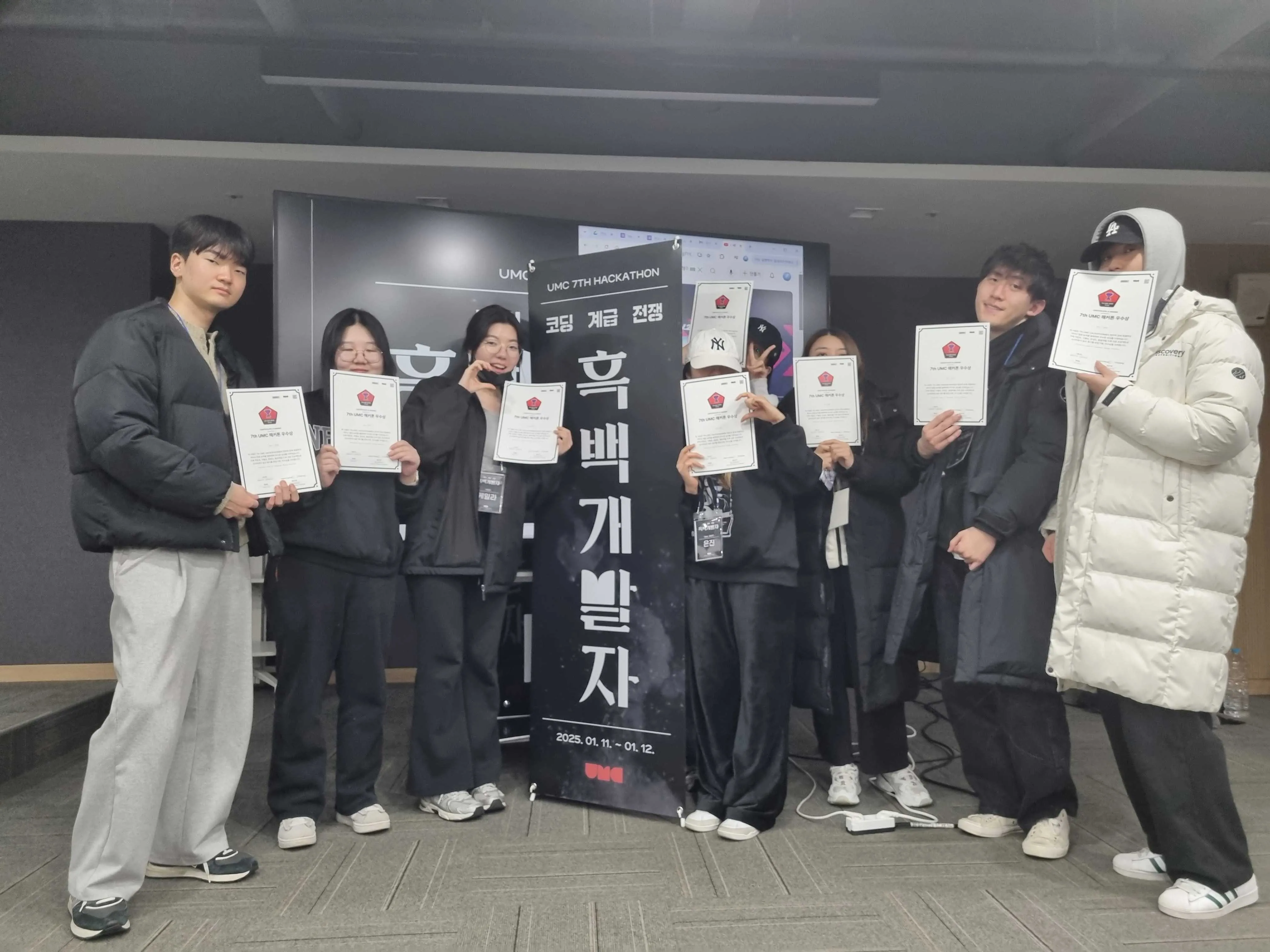
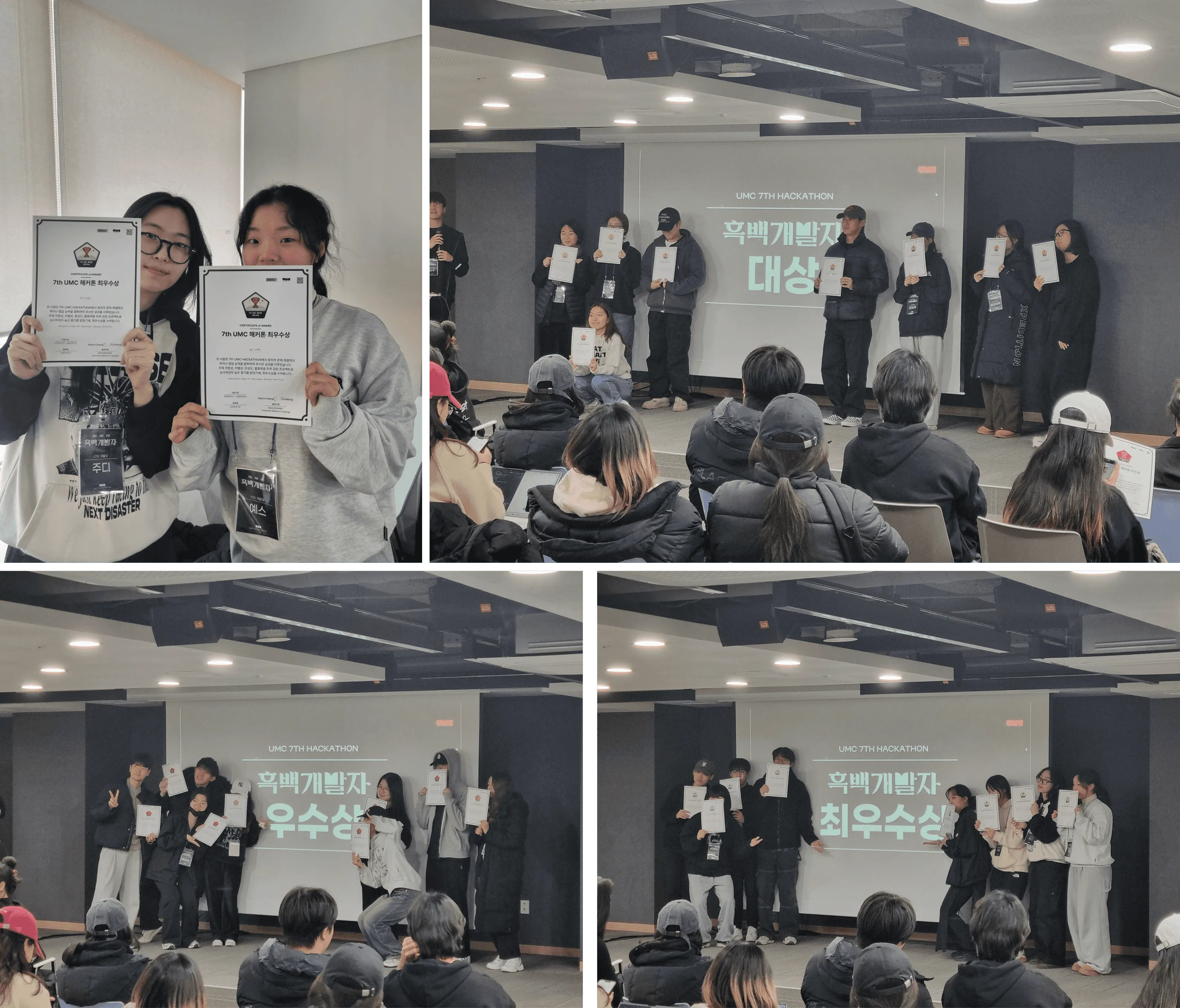
Yes, the bulk certificate issuance feature was especially useful. We could handle it with just phone numbers and names, which significantly reduced the workload for our operations team. Above all, the quality of the offline awards was very high, so participants were very satisfied. The fact that certificates and awards are digitally recorded and can continuously support our challengers’ careers also aligns with UMC’s vision.
Q. We hear UMC has some unique programs.
Recently we’ve been improving our educational system, including making feedback mandatory in workbook study sessions. We’re driving changes that boost challenger satisfaction by reflecting complaints from the previous cohort. For our hackathon, it was the first time we ran one with a special concept, and participant satisfaction was very high, allowing us to secure sponsorships from multiple companies.
We’re also planning new initiatives using Kolleges. Right now we focus on issuing certificates and awards, but going forward we plan to systematically manage and record members’ study activities and small gatherings like coffee chats. In particular, by building a system that lets us intuitively check participation and outcomes for each activity, we want to track and support members’ growth journeys more effectively.
Through this, we aim to evolve from a simple education community into a platform that records and shares each member’s growth journey together. We expect this will further strengthen the “fun development culture where we grow together” that UMC pursues.
Q. We’re curious about future plans.
We’re currently preparing for the February demo day and coordinating recruitment for the next cohort and the operations team’s work schedule. UMC runs in two halves - the first half (February-August) and the second half (August-February) - and we present the projects developed over six months at demo day. We’re focused on strengthening our internal structure even more. We believe that to build external credibility, the internal foundation must first be solid.
Q. Finally, how would you evaluate Kolleges?
I’d call it “the new education partner for the digital era.” The automatic certificate issuance system for hackathon events is especially well-built, dramatically improving operational efficiency. Being able to issue hundreds of certificates at once with just phone numbers and names was truly groundbreaking.
That said, there are areas that need improvement. For example, I’d like the records for members’ study and coffee chat management to be more intuitive. I’m also looking forward to UI improvements such as integrating the Home and My Group sections.
[UMC Homepage]
[UMC Certificates, Awards]
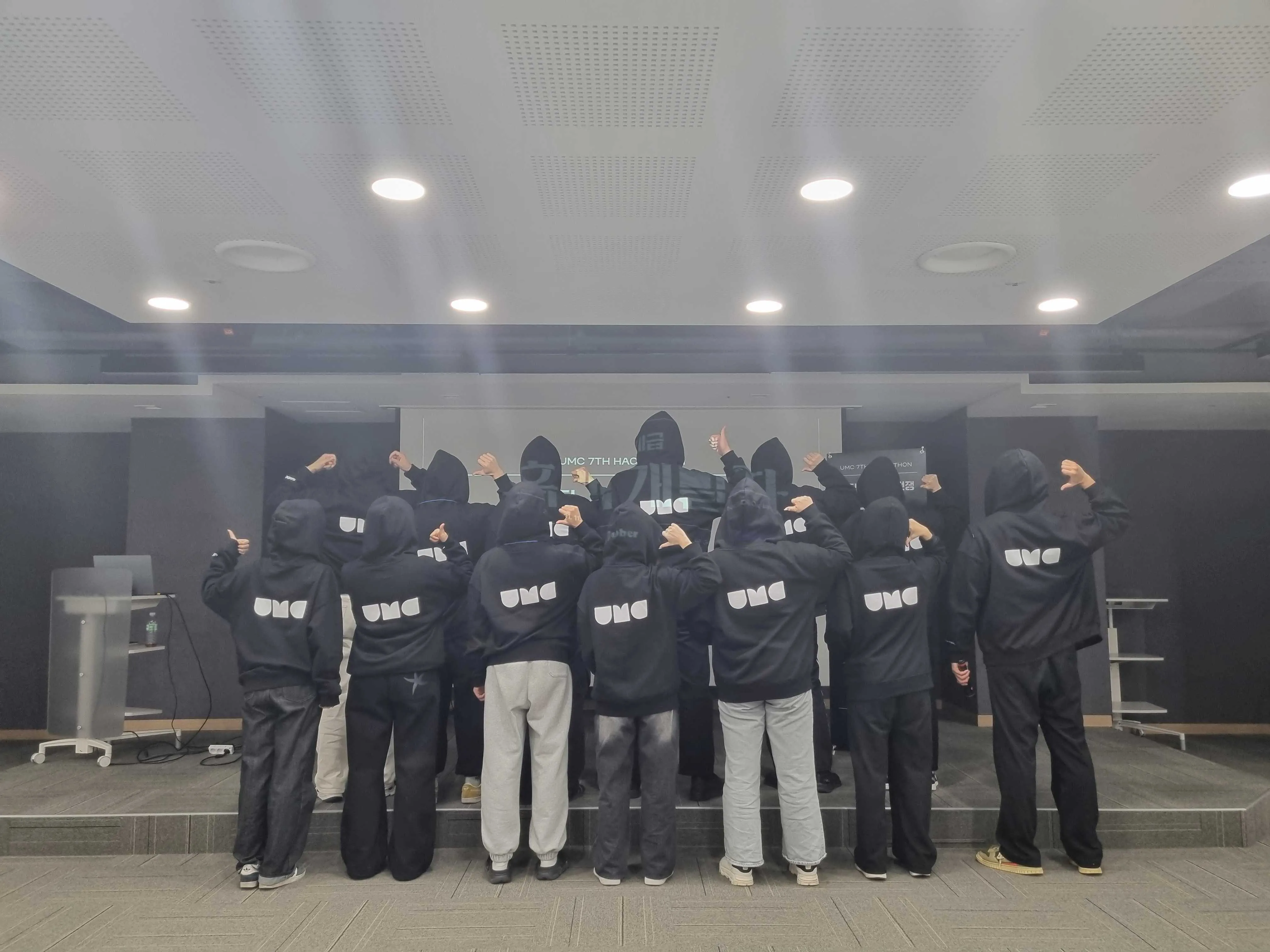
[7th Cohort Hackathon “Black-and-White Developer”]
- Operating a 1,000-person community per cohort across 25 universities
- Successfully hosted a distinctive concept hackathon
- Innovated the education system through workbook study introduction
- Streamlined operations by adopting blockchain-based digital certificates
- Expanded programs by securing multiple sponsors
Wrapping up the interview, Head of Operations Junyoung Oh shared his ambition: “We want UMC to be more than just a developer education program - we want to create a culture where people enjoyably take on challenges and grow.” It will be worth watching what kind of results these innovative challenges, built together with 1,000 college developers, will bear.

.
Frequently asked questions
Want to turn learning outcomes into verifiable assets?
From issuing to verifying and amplifying, see it for yourself with Kolleges.
Request a Kolleges demo Related posts
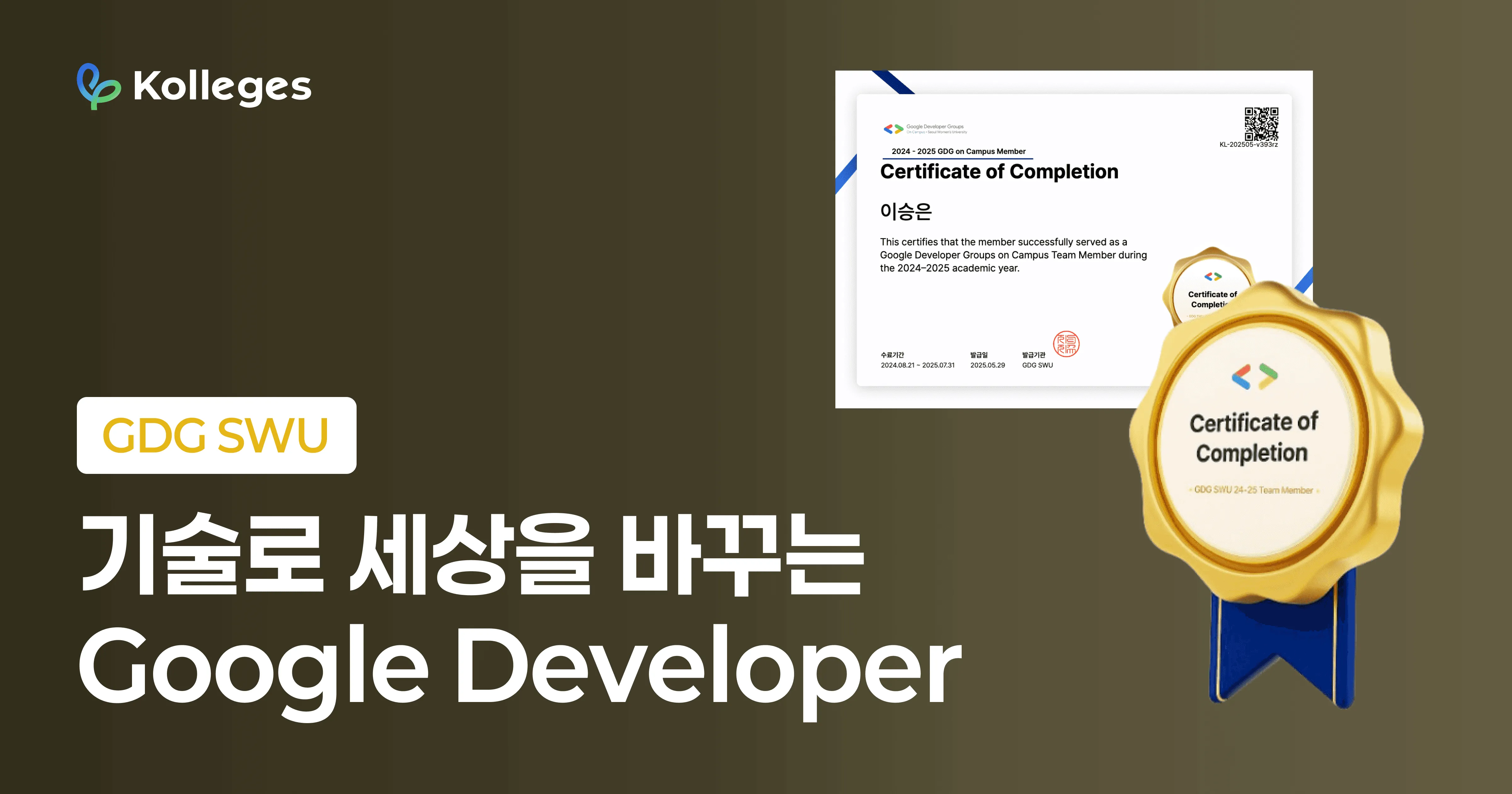
"Innovation Stories from Women Changing the World With Technology" - GDG SWU Lead Yewon Cho
GDG SWU adopted Kolleges digital badges to replace uncredible self-made PDFs, enabling QR-based auto-issuance at hackathons and giving Google-sponsored activities a trustworthy, shareable certificate.
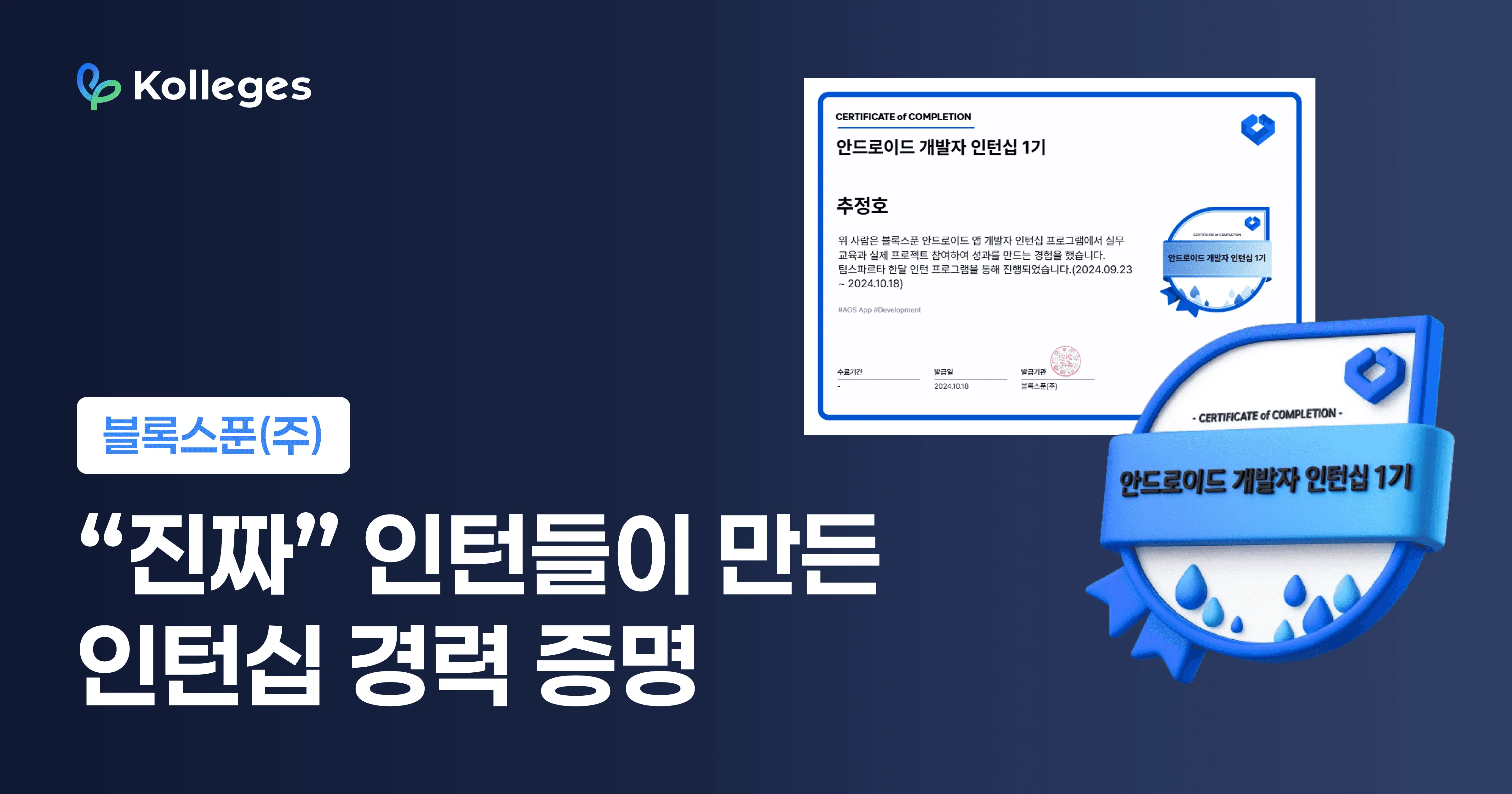
Real Interns, Real Results at Blockspoon - A One-Month Record | Digital Badges
Three Blockspoon interns - a growth marketer and two Android developers - completed meaningful real-world projects in a single month and shared blockchain-issued digital badges as proof on LinkedIn.
The Growth of People is the Essence of Community - An Interview with Lee Il-gu, Leader of MACBE Planning | Kolleges
MACBE Planning uses Kolleges digital badges to turn K-Planning Conference participation into verifiable credentials, boosting brand recognition and community identity across seven cohorts.