
A New Standard for the AI Era: Digital Identity Verification
Personhood Credentials let users prove their humanity online without exposing personal data, and digital badge platforms like Kolleges are positioned as a key asset for this emerging trust layer.
🧠 As AI Grows More Human-Like, We Now Have to Prove That We Are “Human”
We live in an era where AI writes, draws, and posts comments.
Remarkably, we have reached a point where “being human” must be proven online.
In the past, a national ID number, a public certificate, or simple SMS verification was enough.
Today, we need a more sophisticated standard that can distinguish AI from humans.
In fields where trust between people is core - education, credentials, social media, communities, e-commerce - “verifying that someone is a real human” is becoming a condition of trust.
👤 What Is Digital Identity Verification?
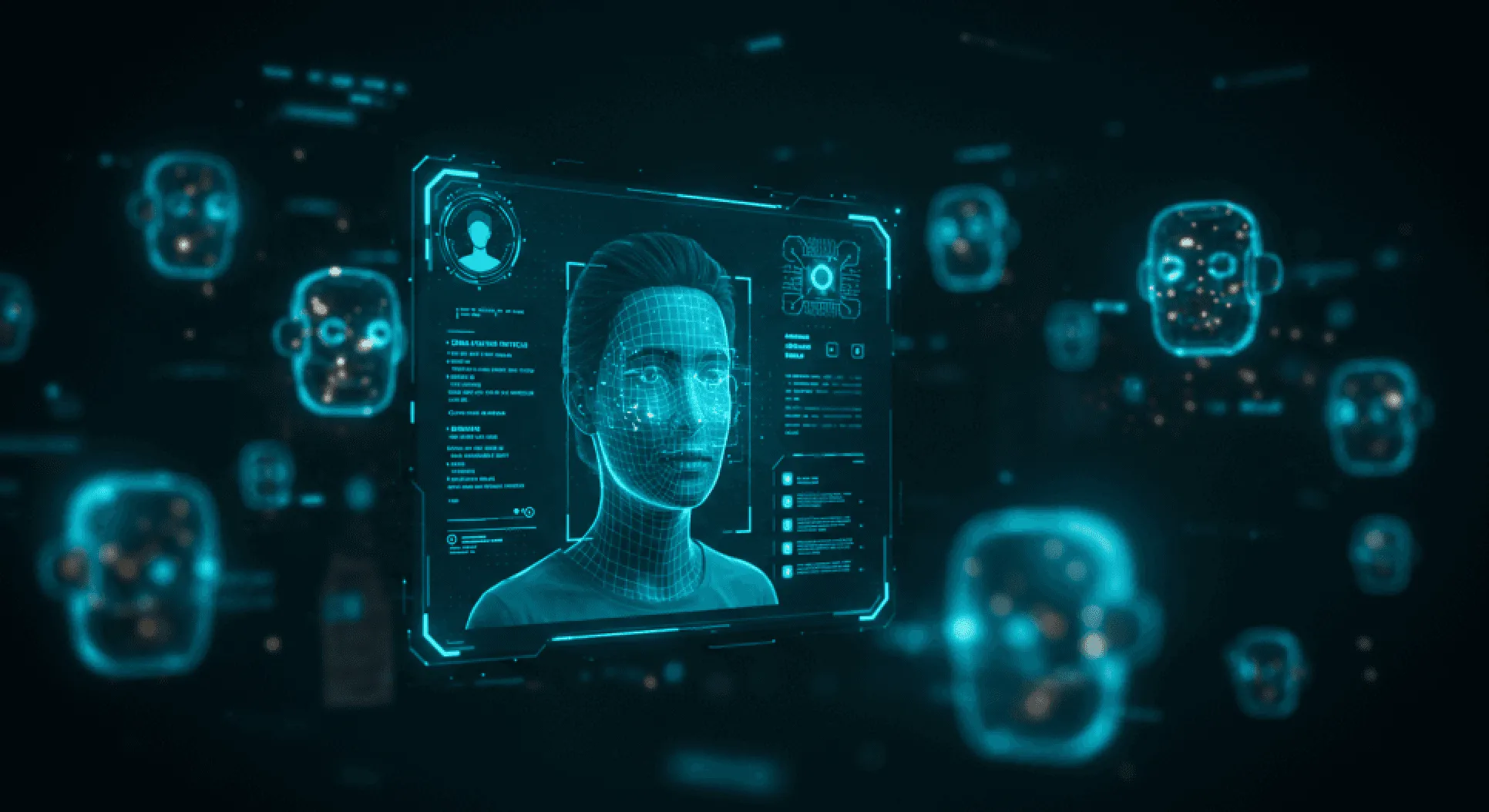
Digital identity verification is a technical method of proving online that an individual is a real person
and that they are a unique individual.
Among these methods, the one drawing recent attention is
Personhood Credentials.
Key Characteristics:
-
Only one issuable per person (duplicate prevention)
-
The authentication itself remains anonymous (privacy preserved)
-
Requires periodic re-verification (to prevent AI/bot use)
-
Usable across multiple platforms (without being trackable)
🔐 Privacy and Trust at the Same Time - The Advantages of Digital Identity Verification

Digital identity verification is gaining attention because it provides trust without requiring sensitive personal information.
-
Authenticate as yourself without entering a national ID number or contact information
-
Use across diverse platforms without separate integrations
-
Reduced risk of hacking, minimized privacy intrusion
-
Preserves freedom of expression (a balance between anonymity and real-name systems)
This approach can become a new standard of trust in every area where the existence of the person themselves matters - education certification, credentials, social media activity, and more.
🌐 How Is Kolleges Connecting to This?
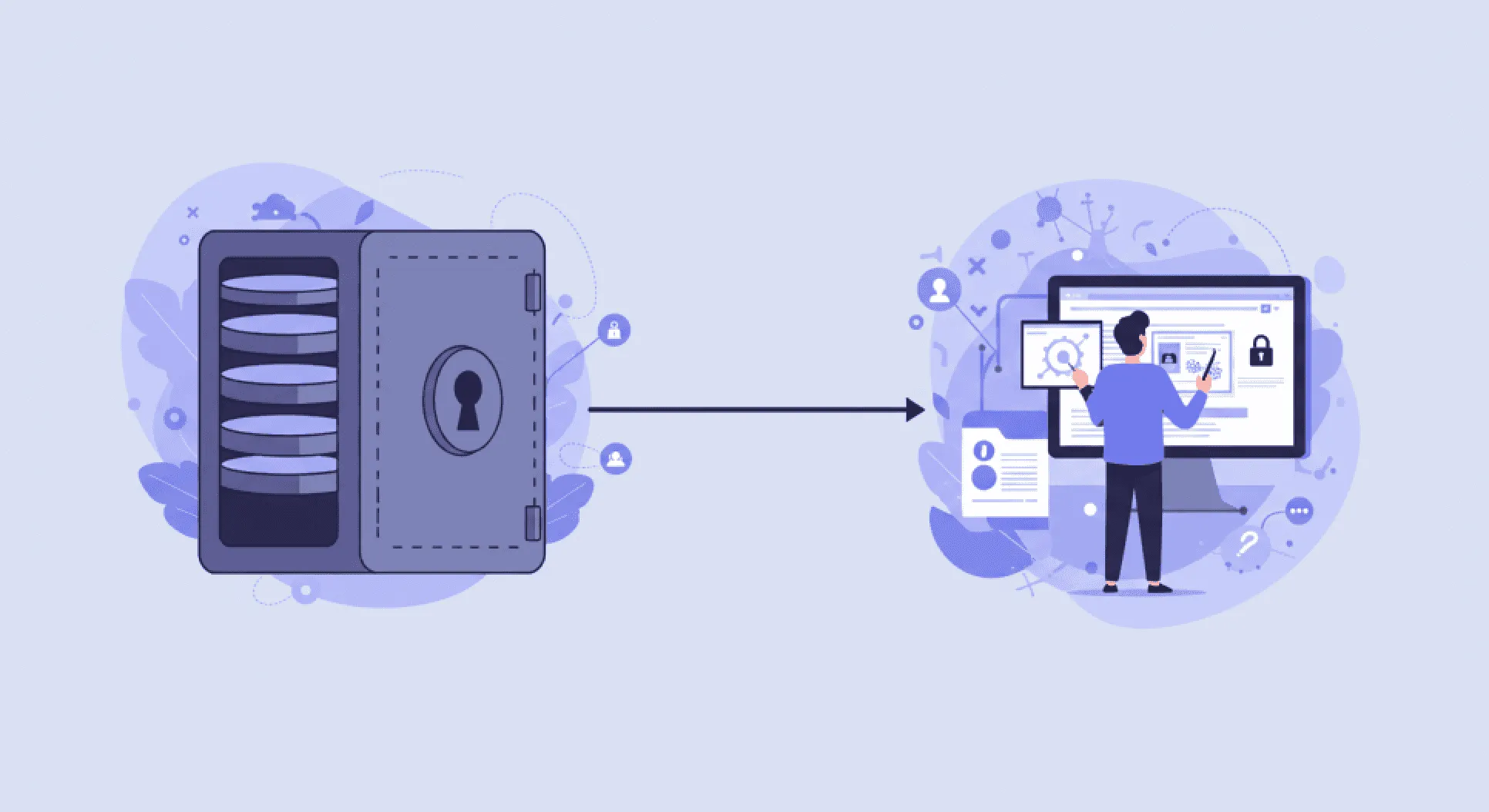
Kolleges is a platform that provides digital badge-based education certification solutions,
supporting educational institutions and private organizations in designing a trustworthy online credential environment.
The Role of Kolleges:
✔ Automatic digital badge issuance based on the course
✔ International-standard digital credentials valid anywhere in the world
✔ Badge-based increase in trust for the course
✔ Transparent record management for both institutions and learners
As digital identity verification becomes mainstream,
Kolleges’ digital badge credential infrastructure will become an asset for the coming future.
📌 Now Is the Time to Design Digital Trust
As AI becomes more human-like,
humans now face an era in which they must prove their “humanity” through technology.
Digital identity verification is likely to become the basic infrastructure of future society. We now need not just technology, but platforms that design trust.
✅ Education systems based on digital certification
✅ Safe credential issuance and management
✅ Digital trust networks that connect people to people
Now, let’s build the foundation of digital trust together with Kolleges.
Frequently asked questions
Want to turn learning outcomes into verifiable assets?
From issuing to verifying and amplifying, see it for yourself with Kolleges.
Request a Kolleges demoRelated posts
What Is DID - Managing Digital Badges with Decentralized Identity
Kolleges builds digital badges on DID using the did:key method, so both issuers and recipients hold cryptographic key pairs that let anyone verify badge authenticity without a central server.
Digital Badges: How Is a DID Created and Stored?
Kolleges generates DID-based digital badges using the did:key method with RSA key pairs - storing only the public key server-side while delivering the encrypted private key to the user for self-custody.
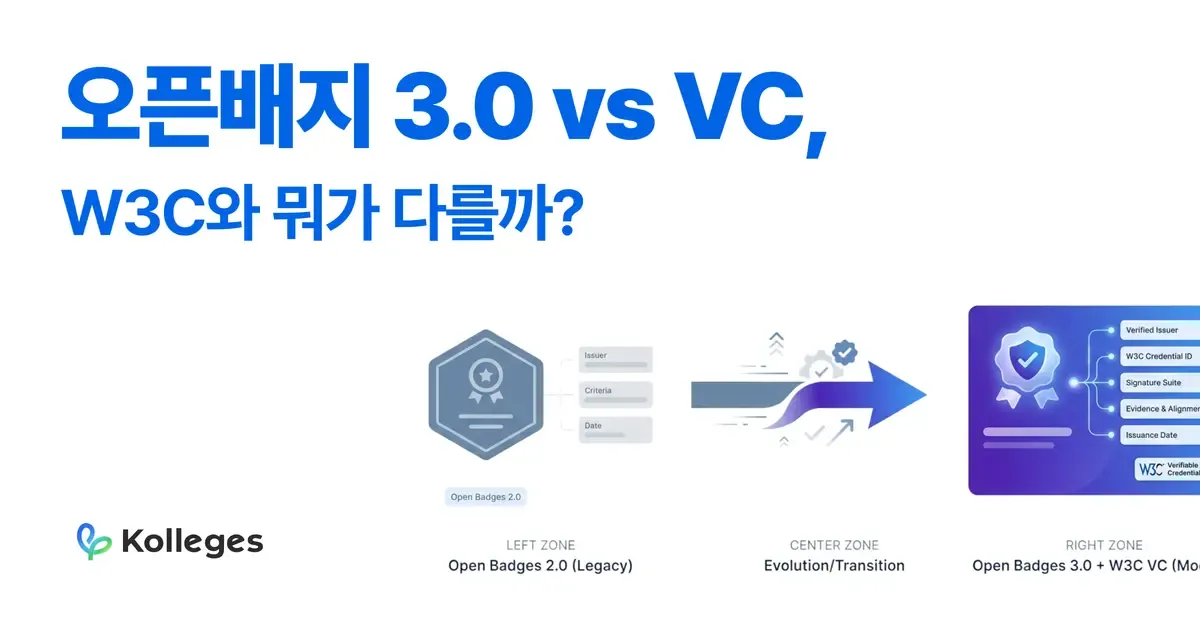
The complete Open Badges 3.0 guide: how it differs from W3C Verifiable Credentials
Open Badges 3.0 wraps W3C Verifiable Credentials with an education-specific metadata layer, replacing platform-dependent verification with cryptographic signatures that let learners own and selectively disclose their credentials.