
Digital Badges: A New Answer for Cultivating Local Talent

Korea's RISE initiative pairs with digital badges to close the loop between regional university curricula, verifiable competency credentials, and local employment retention.
Digital badges are the clearest way to demonstrate a learner’s competencies. Expand the possibilities of regional universities together with the RISE initiative.
The role of universities is shifting from simply transmitting knowledge to becoming execution hubs that connect regions and industries. The Ministry of Education’s RISE (Regional Innovation System & Education) initiative in particular is redesigning curricula so that regional universities can develop industry-linked, work-ready talent and translate that into actual employment and regional retention.
Within this shift, the digital badge is emerging as a critical tool that delivers new value for both learners and educational institutions.
Why are regional universities paying attention to digital badges?

A digital badge is a new way of digitally credentialing a learner’s experience and competencies. Unlike a simple completion slip or diploma, a digital badge includes information such as:
-
What program was completed
-
What projects were carried out
-
Which criteria were met
This information is expressed visually together with metadata, producing a verifiable credential that anyone can inspect with a single click.
In environments where extracurricular, hands-on, project-based learning is prominent - exactly the kind RISE encourages - digital badges play the role of objectively and transparently certifying the outcomes of those activities.
Digital badges + RISE = a virtuous cycle for regional talent
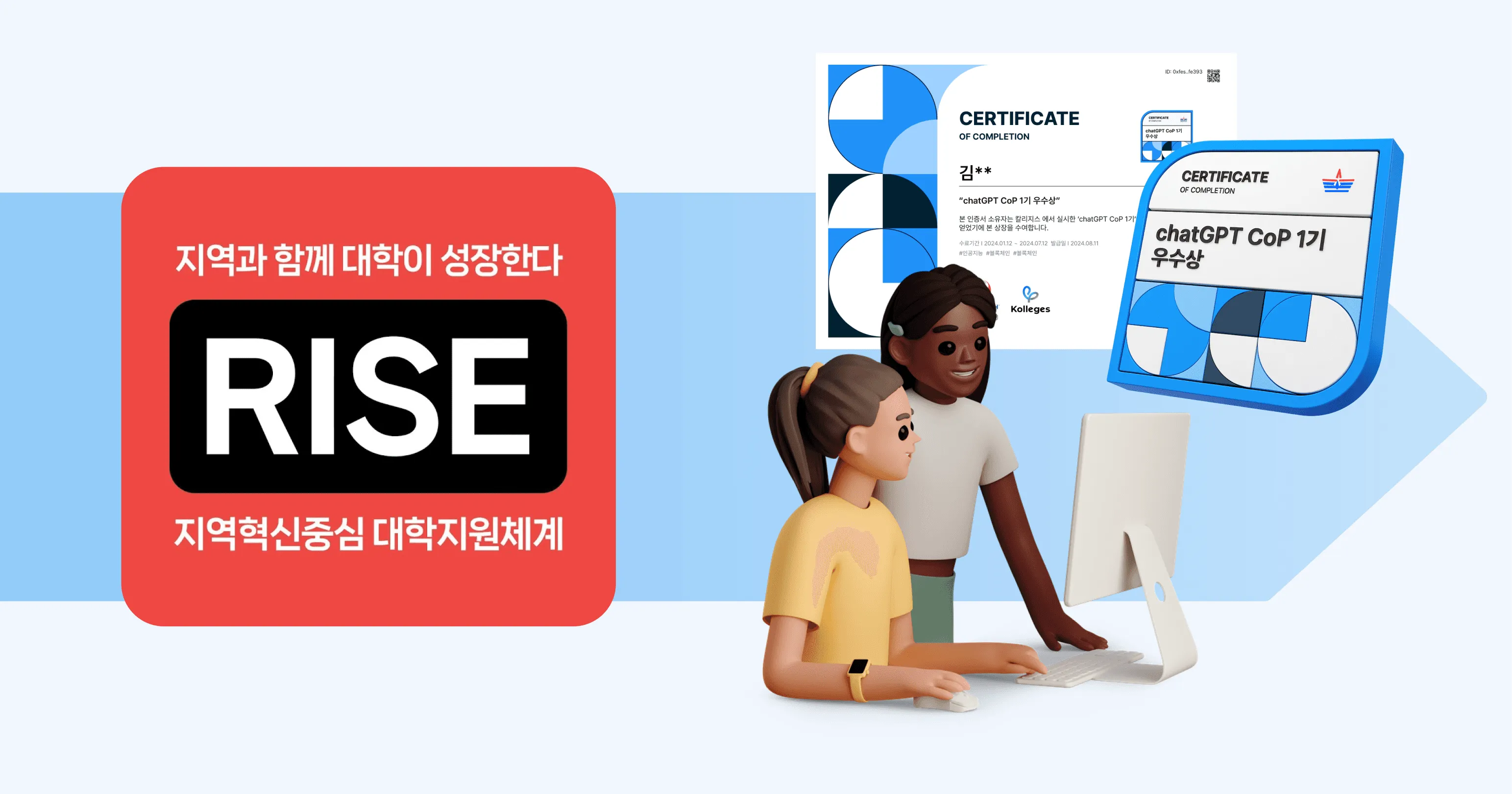
The goal of the RISE initiative is not simply education. It is a virtuous cycle of education aligned with regional demand → employment → regional retention → regional growth.
Within that structure, digital badges enable the following flow:
- 1 Hands-on curricula designed around the demands of local industry
- 2 Project-based learning centered on extracurricular and non-traditional activities
- 3 Formal certification of completion and outcomes via digital badges
- 4 Learners promote their competencies on LinkedIn, resumes, and portfolios
- 5 Companies quickly identify verified talent through the badges
- 6 Hiring within the region, leading to regional retention and sustained growth
In this way, digital badges function as a tool that makes regionally-rooted educational outcomes visible and shareable.
How does Kolleges support this?
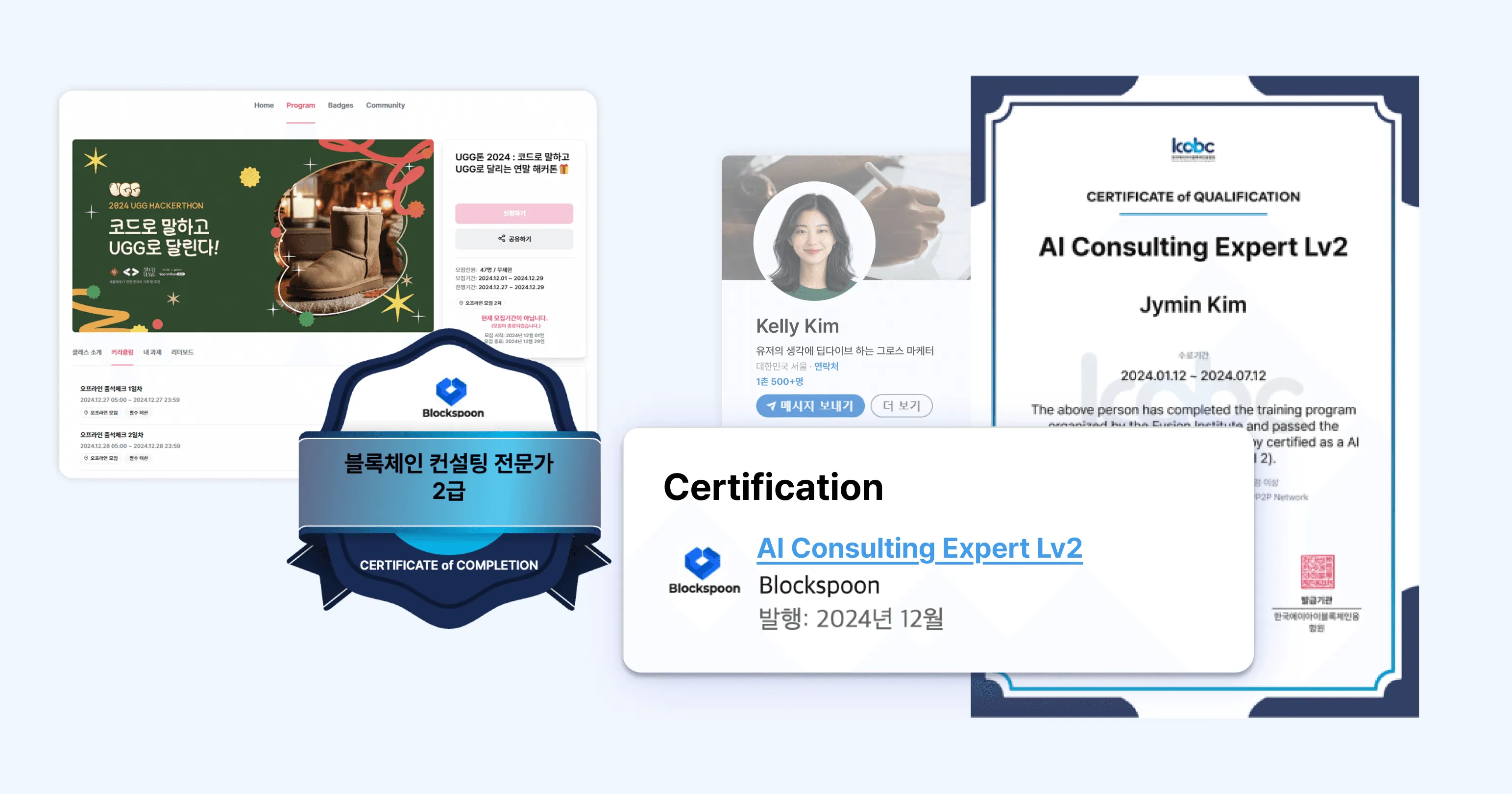
Kolleges goes beyond issuing digital badges - it provides the digital infrastructure that connects curricula and outcomes.
This gives institutions a more sophisticated competency credentialing system, and gives learners a clear way to track their own learning journey and use it in career planning.
Digital badges: the start of regional educational innovation
Regional universities are no longer just educational institutions; they are core platforms that design regional sustainability. In that context, the digital badge becomes a practical medium that connects work-focused education to employment and conveys learner competencies effectively to the local community.
Kolleges stands inside that current, as a digital credentialing solution that satisfies both regional grounding and practical utility.
The change in regional universities now needs to be proven. Begin that education innovation - with digital badges - at Kolleges.
See five ways digital badges are transforming education and careers Request a free badge consultation and unlock a discount
Frequently asked questions
Want to turn learning outcomes into verifiable assets?
From issuing to verifying and amplifying, see it for yourself with Kolleges.
Request a Kolleges demoRelated posts

What Is the RISE Project? Seoul's Selected Universities and Key Strategic Directions
Seoul selected 35 universities under RISE to align higher education with regional industry needs, investing 76.5 billion KRW across five strategic priorities including AI talent development.
From Hobby to Certification to Instructor: How Hongik University Sejong's Lifelong Learning Center Is Building a Virtuous Cycle of Education
Hongik Sejong's RISE-funded Lifelong Learning Center replaced paper certificates with tiered Level 1-3 digital badges to record and sustain a hobby-to-certification-to-instructor growth path.

What Is Glocal University 30? A University Support Program for Regional Innovation and Global Competitiveness
Glocal University 30 is a 2023-2027 Korean government initiative giving 30 regional universities up to ₩100 billion each to structurally reform curricula, deepen regional ties, and expand global partnerships.