
Food Hygiene Education Certificate: Issuance, Application, and Fees at a Glance

Food service operators in Korea must complete annual hygiene training under Article 40 of the Food Sanitation Act - skipping it triggers fines that escalate from KRW 200,000 to KRW 600,000.
✅ “Have you remembered to renew your food hygiene education certificate this year?” It’s an annual routine that may look familiar, but missing it can lead to fines - food hygiene education is that important. Today, we’ll walk through the eligible group, how to apply, the fee, and the issuance procedure all in one place.
📄 Why Do You Need the Food Hygiene Education Certificate?
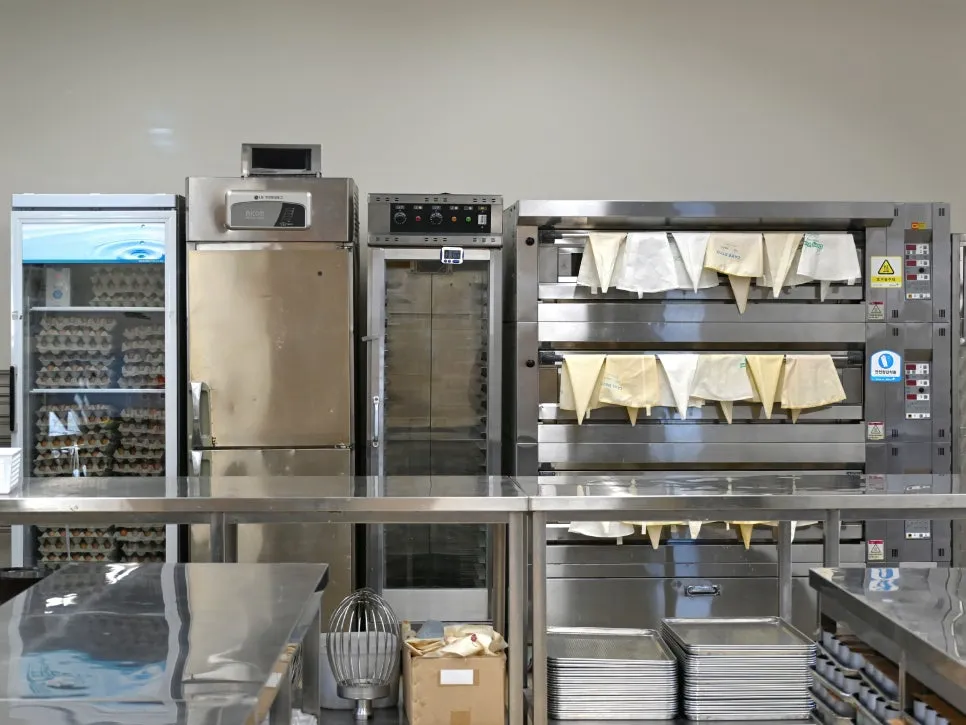
Under Article 40 of the Food Sanitation Act, the food hygiene education certificate proves that workers in related industries - food service businesses, group meal facilities, and food manufacturing and processing businesses - have completed the legally required training they must take at least once a year.
This isn’t just a procedural formality. The training contains practical guidance for raising hygiene standards in the field and providing safe food to consumers, so it must be completed.

| Violation | Fine |
|---|---|
| 1st violation | KRW 200,000 |
| 2nd violation | KRW 400,000 |
| 3rd violation | KRW 600,000 (up to a maximum of KRW 1,000,000) |
Because completion is checked during hygiene inspections, not missing the deadline is crucial.
📚 Eligibility and Timing

Required Participants
-
Operators of general restaurants, snack shops, and bakeries
-
Operators of group meal facilities such as daycare centers, schools, and corporate cafeterias
-
Representatives and hygiene managers of food manufacturing and processing businesses
Timing
-
New operators: Once within 6 months of business registration (mostly offline group sessions)
-
Existing operators: At least once a year for regular training (online or offline)
🖥️ Application, Course, and Issuance Procedure

Now you can also easily apply, take the course, and get the certificate online.
🌐 How to Apply
- 1 Visit the Korea Foodservice Industry Association website
- 2 Apply for training, classifying yourself as a new or existing operator
- 3 After payment, start the course from My Classroom
💰 Fee
-
KRW 12,000 (Seoul standard)
-
Small variations by region

⏩ Course Format
-
Lectures are split into roughly 10-minute segments
-
No playback speed adjustment or skipping
-
A 10-question test after watching all lectures (low difficulty, with hints)
📤 Certificate Issuance
-
PDF download available immediately upon course completion
-
Automatically transmitted to hygiene authorities
-
Still, printing and keeping a copy is recommended in case of in-person inspection
🚀 Smarter Certificate Management
The food hygiene education certificate isn’t just an administrative step - it’s an essential tool for raising the credibility of your business. That said, the annual repeat of application and management does take time and money.
👉 Kolleges provides the following so business owners are no longer held back by administrative work.
“The surest way to protect your business is the food hygiene education certificate.” Don’t put it off this year - apply right now and lock in that certificate. With Kolleges, training management and issuance can become a lot smarter.
Frequently asked questions
Want to turn learning outcomes into verifiable assets?
From issuing to verifying and amplifying, see it for yourself with Kolleges.
Request a Kolleges demoRelated posts

Safety Education Completion Certificate: Issuance and Use Cases at a Glance | Kolleges
A safety education completion certificate proves you completed required safety training - issued by KOSHA, schools, or private platforms - and opens employment, exam, and volunteer opportunities.

KOHI Mandatory Training: A Certificate Issuance Guide for Health and Welfare Workers | Kolleges
Health and welfare workers legally required to complete KOHI elder human rights training can now finish in 4 hours (down from 6 in 2025) - here's the full process from signup to certificate.

Automated Certificate Issuance in Just a Few Clicks
Kolleges automates certificate issuance end-to-end - upload an Excel participant list, set optional completion conditions, and the system generates and delivers every certificate in bulk with no manual editing.