
Digital Badge Use Cases Across Southeast Asia

Singapore, Malaysia, Thailand, the Philippines, Vietnam, and Indonesia are each building distinct digital-badge and micro-credential ecosystems - from SIM's stackable courses to TESDA's 335-course TVET registry.
The following is research, based on 2025-2026 data, on how each Southeast Asian country is using digital badges (Open Badges, digital credentials, microdegrees). A digital badge is an online credential that proves specific skills or achievements to a learner; because metadata is embedded, it is easy to verify and share. We summarize each country’s characteristics and introduce representative programs.
Singapore

-
SIM Global Education - SIM (Singapore Institute of Management) adopted digital badges and stackable learning pathways starting in late 2025 through its Centre for Micro-Credentials. According to SIM’s press release, it provides short, stackable courses in high-demand fields such as AI, cybersecurity, and sustainability, and learners who complete each course receive a digital badge with embedded metadata. Learners can post these badges on platforms like LinkedIn to prove their expertise, and companies use them as reference material for skills-based hiring.
-
National universities and polytechnics - Major universities and polytechnics including NUS SCALE, SIT, and Singapore Polytechnic are also expanding short online courses, but access to related articles is limited, so detailed cases could not be obtained. As with the SIM example, practical micro-credentials built in partnership with industry are spreading.
Malaysia

-
Malaysian Qualifications Agency (MQA) - Since 2020, MQA has provided operational guidance through
Guidelines to Good Practices for Micro-credentials. According to the guidelines, micro-credential courses must be short and practical, and upon completion must issue a secure, shareable digital credential (a digital badge or certificate). Because digital badges embed data including the learner’s name, learning content, and achievement information, they serve as a credible means of certification. -
OpenLearning OpenCreds - The online learning platform OpenLearning launched the
OpenCredsframework for Malaysian education and training institutions, helping learners design and issue micro-credentials aligned with industry demand. The program emphasizes industry-aligned course design, short stackable credentials, and digital badge issuance. -
Universities and institutions - While the latest material on specific universities is limited, multiple private institutions operate micro-credential programs in line with MQA guidelines and issue digital badges to graduates.
Thailand
-
UMAP Thai Micro-credential Program - King Mongkut’s University of Technology Thonburi (KMUTT) in Thailand operates the Thailand UMAP Micro-Credential Program through UMAP. This system uses competency-based assessment to confirm and develop an individual’s specific skills, and learners who meet the assessment criteria are issued a digital badge by KMUTT. Digital badges serve as a means for self-directed learners to prove competencies acquired outside the classroom, suitable for learners looking to upskill or reskill.
-
Thai MOOC and the National Credit Bank - Thailand’s Ministry of Education supports micro-credentials and digital badges through the Thai MOOC platform and the National Credit Bank System. According to research papers, Thai MOOC lets learners take multiple courses to build competencies and accumulate them as official credit, promoting flexible learning and lifelong learning, and aims to advance the system through AI utilization and strengthened international cooperation.
-
Beyond KMUTT’s UMAP program - In addition to King Mongkut’s University of Technology Thonburi, multiple universities and industry partners operate pilot programs that issue digital badges through micro-credentials.
The Philippines
-
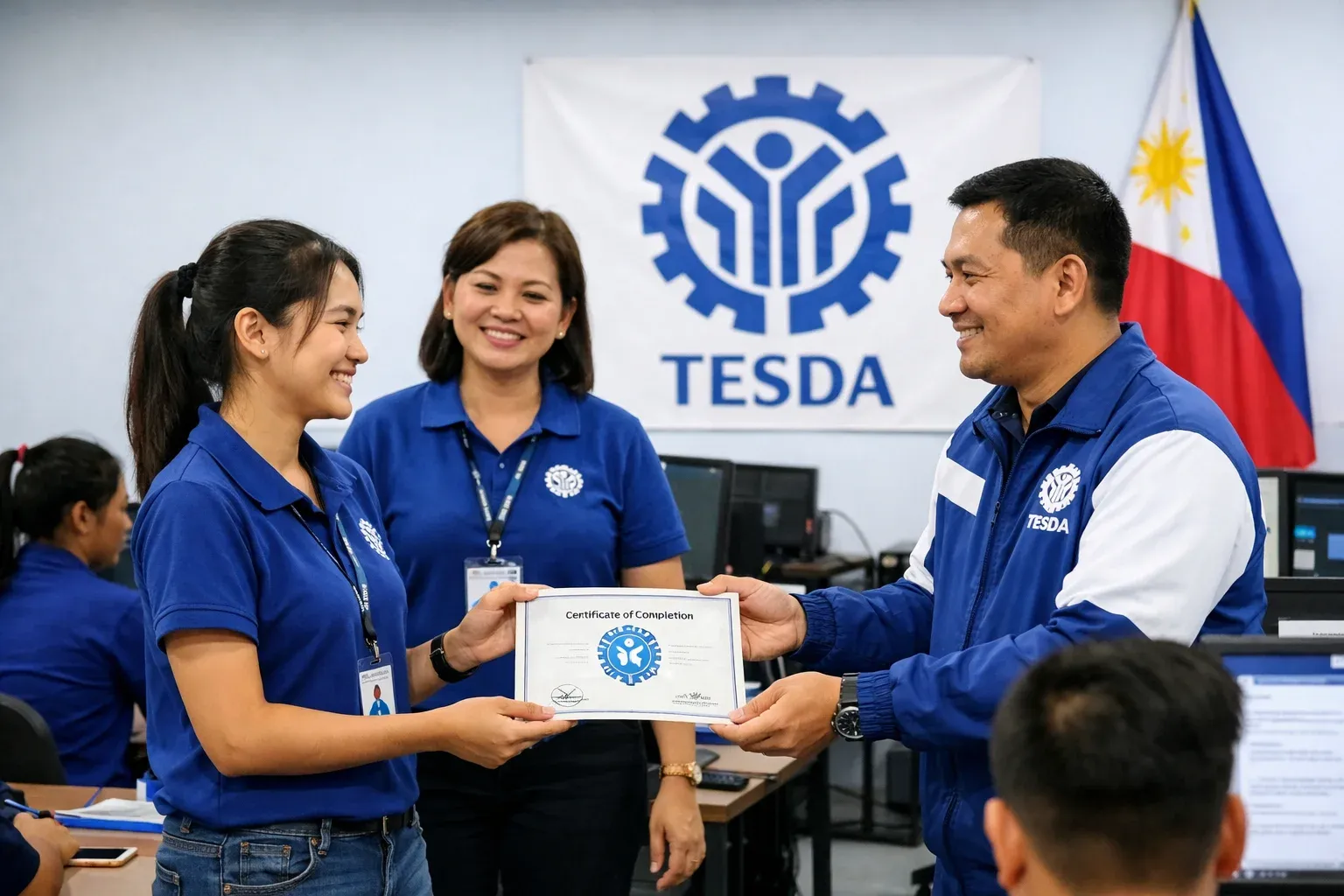
TESDA’s micro-credential expansion - In a November 2025 press release, the Philippines’ TESDA (Technical Education and Skills Development Authority) encourages technical and vocational education institutions to register and provide micro-credential courses. TESDA stresses that, through micro-credentials, learners can rapidly acquire specific competencies aligned with industry standards and build modular, stackable learning pathways. The program does not specifically mention digital badges, but it certifies learners’ skills via post-completion recognition - and in a short period, 335 courses were registered with 1,189 completions.
-
Benefits for learners and industry - According to TESDA, micro-credentials let Filipino workers continuously upgrade competencies in line with rapidly changing industry demands, and employers can hire talent with the needed skills to raise competitiveness.
Vietnam

-
Blockchain-based verifiable hiring credentials - In March 2026, the education startup Open Campus announced a pilot project in partnership with the Vietnamese HR firm Le & Associates and the recruiting platform SKALE to link verifiable educational credentials to hiring. The partnership aims to let students and entry-level job seekers provide digital certification and identity information, while employers can filter talent based on verified skills information. Through this, job seekers submit competencies obtained from various educational institutions in the form of verifiable credentials on a blockchain, and employers can confirm them to find matching talent.
-
A pilot tailored to Vietnam’s labor market - The partners emphasized that the project connects learning achievement and hiring information in Vietnam’s rapidly growing labor market, allowing job seekers’ competencies to be conveyed credibly. They plan to expand education and corporate participation and introduce digital badges into the hiring process.
Indonesia
-
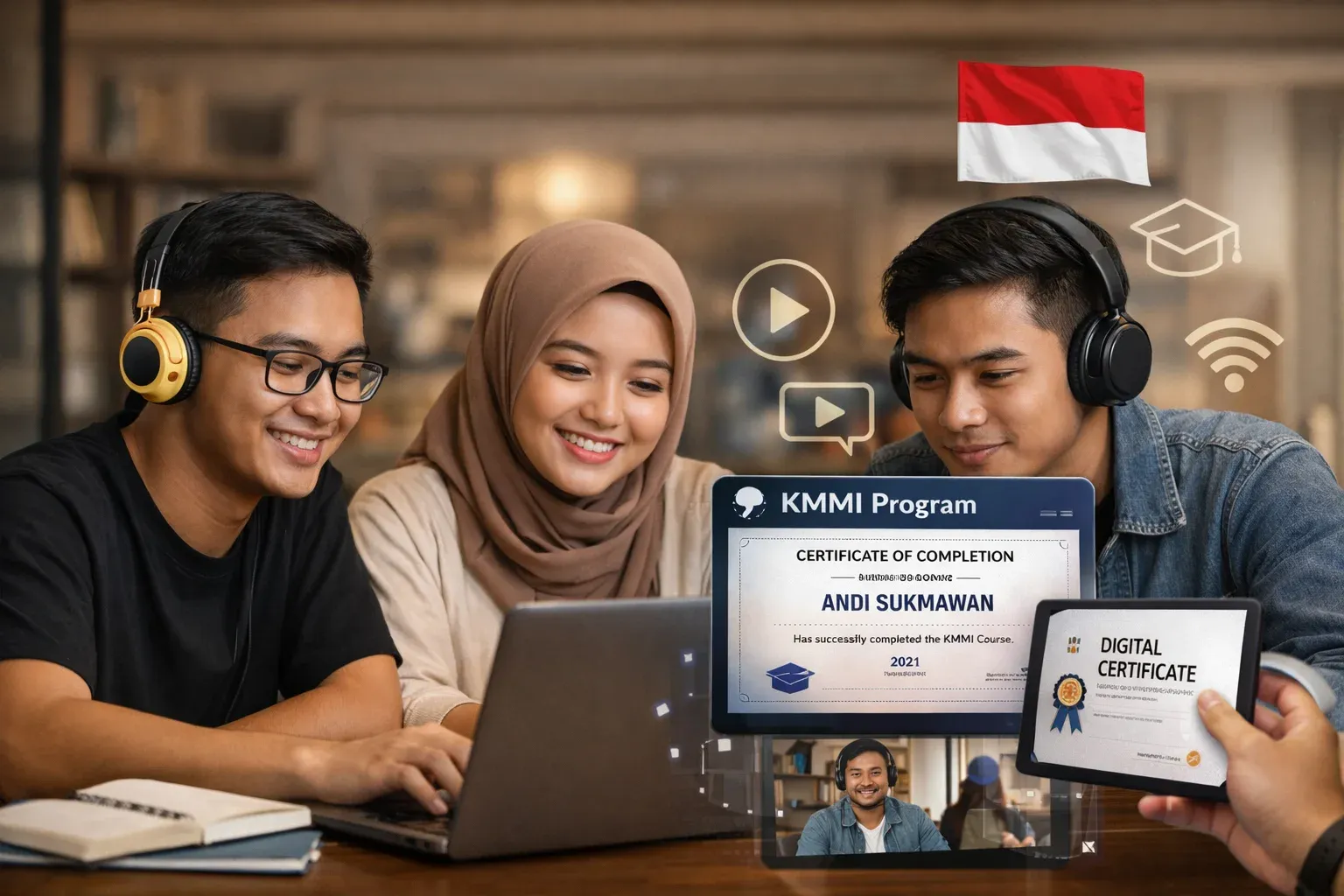
Kredensial Mikro Mahasiswa Indonesia (KMMI) program - Indonesia’s Ministry of Education, Culture, Research, and Technology, through the
Kredensial Mikro Mahasiswa Indonesia (KMMI)program, lets university students take short courses off campus. According to a Sevima article, KMMI provides dynamic and competitive learning aligned with industry demand, and the certificate issued upon completion can be recognized as university credit or included in the Surat Keterangan Pendamping Ijazah (SKPI, diploma supplement). This aims to close the gap between university education and the field and raise students’ competitiveness and employability. -
Benefits for industry and universities - KMMI provides industry with information for sourcing top talent, gives universities opportunities for industry-aligned education partnerships, and helps students acquire the hard and soft skills the actual industry demands. The program is currently certificate-centric, but it is highly likely to evolve into a micro-credential recognized at home and abroad through future digital badge adoption.

Conclusion and implications
Southeast Asian countries are adopting digital badges and micro-credentials at different paces. Singapore and Thailand actively use stackable courses and digital badges, led by universities and institutions, to validate learner competencies, while Malaysia and Indonesia have established micro-credential guidelines and programs at the national policy level. The Philippines is experimenting with digital credentials in the TVET domain, and Vietnam is doing so in blockchain-based hiring systems. These examples serve as references when Korean educational institutions or companies later partner with Southeast Asian markets, and they show that flexible, verifiable learning recognition is becoming a new education trend.
Frequently asked questions
Want to turn learning outcomes into verifiable assets?
From issuing to verifying and amplifying, see it for yourself with Kolleges.
Request a Kolleges demoRelated posts

Korea's Global Education Strategy: Where Does It Stand Today?
As Korea pursues 300,000 international students by 2027 and expands Asian joint programs like CAMPUS Asia, digital badges have become essential infrastructure for proving learner outcomes across borders.

Why Are Universities Abroad Actively Adopting Digital Badges?
Leading global universities like Harvard and Tampere are using digital badges to verify competencies and power micro-degree systems, signaling a shift Korean institutions should act on now.

How Global Companies Deploy Digital Badges: IBM, Salesforce, and Google
IBM, Salesforce, and Google show that digital badges drive measurable outcomes - from 70% higher program participation to 1M+ career-changing credentials - when built on open standards with sharing and verification infrastructure.