
Korea's Global Education Strategy: Where Does It Stand Today?

As Korea pursues 300,000 international students by 2027 and expands Asian joint programs like CAMPUS Asia, digital badges have become essential infrastructure for proving learner outcomes across borders.
- The Role of “Digital Badges” in an Era of 300,000 International Students
From attracting international students, to Asian education partnerships, to global majors tied to the K-content industry - Korean higher education is now entering the era of “Global Expansion 2.0.”
But simply expanding institutional programs is not enough. What’s needed is a framework that proves outcomes and makes trust visible - in other words, digital badges.
🎓 “Study Korea 300K” - Will the 300,000 International Student Era Materialize?
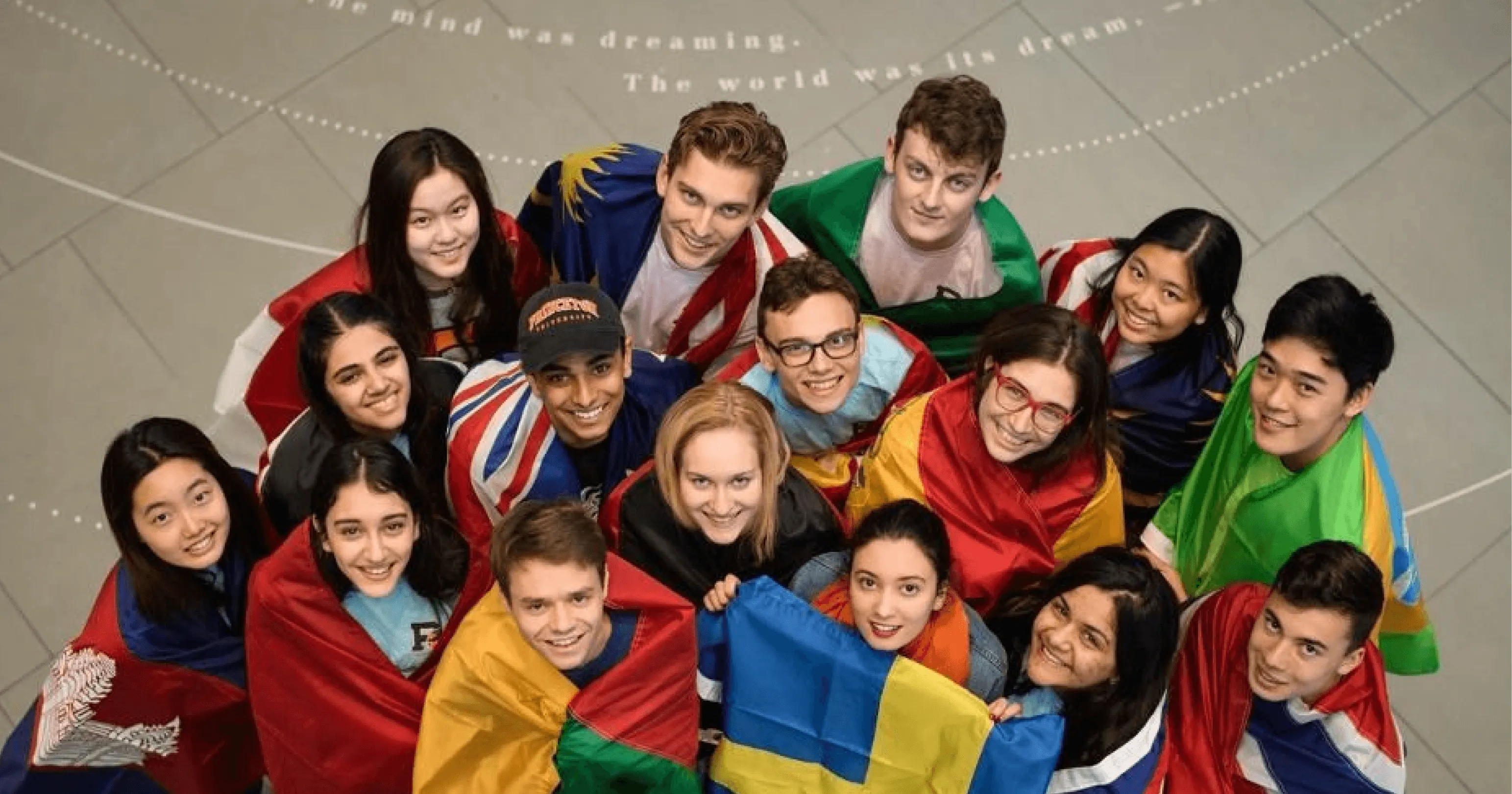
By 2027, the Ministry of Education aims to attract 300,000 international students, and is pursuing concrete measures such as simplified visa issuance, expanded scholarships, and overseas expansion of TOPIK test centers.
Beyond that, joint task forces involving universities, local governments, and regional businesses are pushing curricula that consider not just admissions but career design and post-completion career connections.
In this context, the question has shifted from “what did you learn?” to “what did you actually achieve?” - making both quantitative and qualitative methods of proof more important than ever.
🌐 Asian Joint Education Projects: Collaboration and Verification at the Core
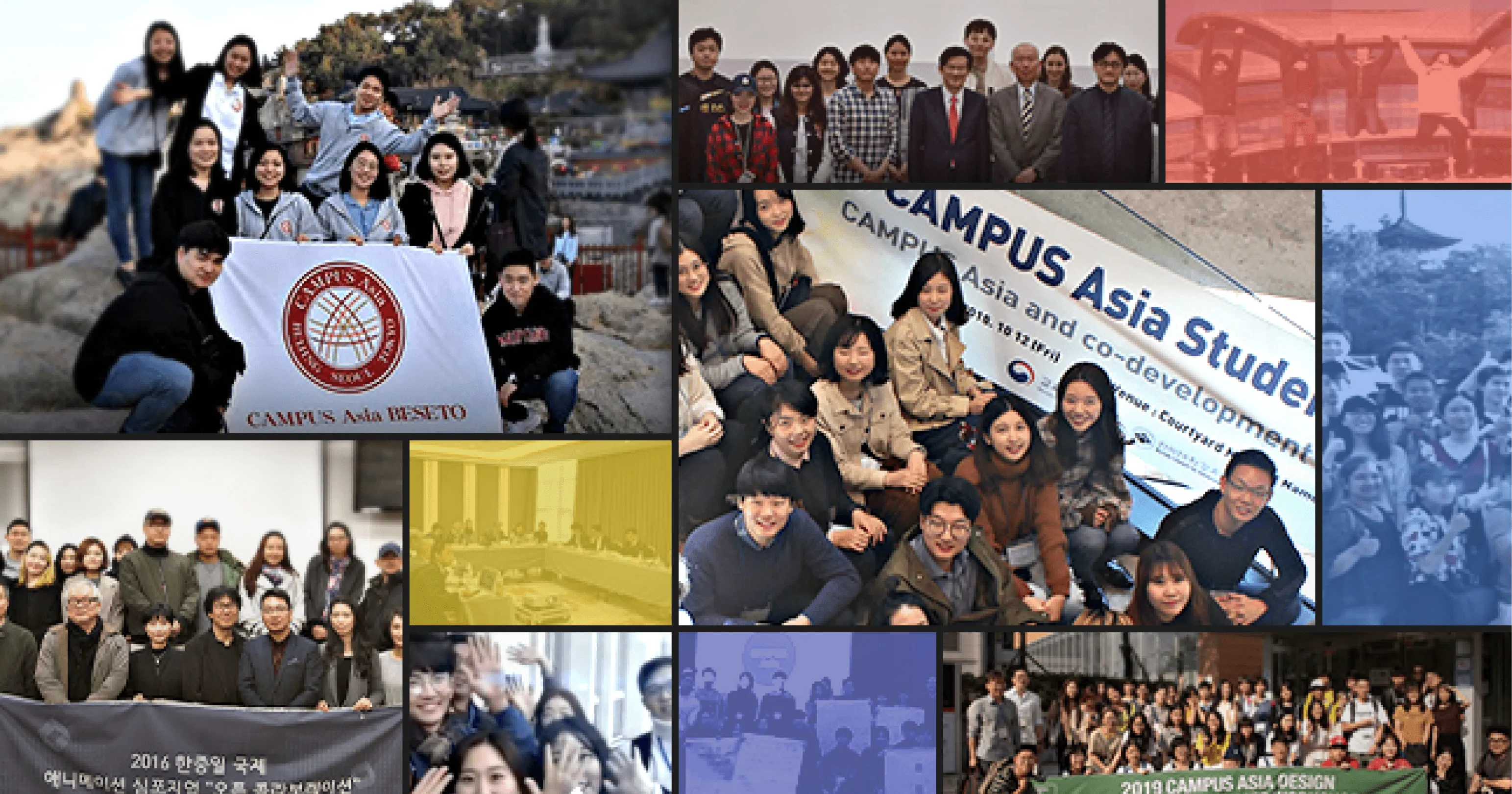
CAMPUS Asia and the AIMS Program are rapidly expanding as joint education models among Asian universities.
| Program | Scope | Focus |
|---|---|---|
| CAMPUS Asia | Korea, China, Japan | Exchange and joint research, digital campus development |
| AIMS | 7-10 ASEAN countries | Expanding exchange and dual-degree programs |
The differentiator is no longer the individual university but trust and verification within the Asian education ecosystem, which requires mechanisms to formally recognize each participant’s competencies.
🎬 Majors for the K-Content Industry: Education Connecting Directly to Industry

A growing number of Korean universities are launching global content majors centered on K-drama, webtoons, games, and more, strengthening industry-linked curricula for international students.
These programs go beyond lectures and include
-
Practice-based classes
-
Industry experts in the classroom
-
Collaborative projects with content companies
-
Post-graduation employment pipelines
They pursue education as preparation for real industry entry.
🏅 Digital Badges: Now an Essential Means of Proving “Results”
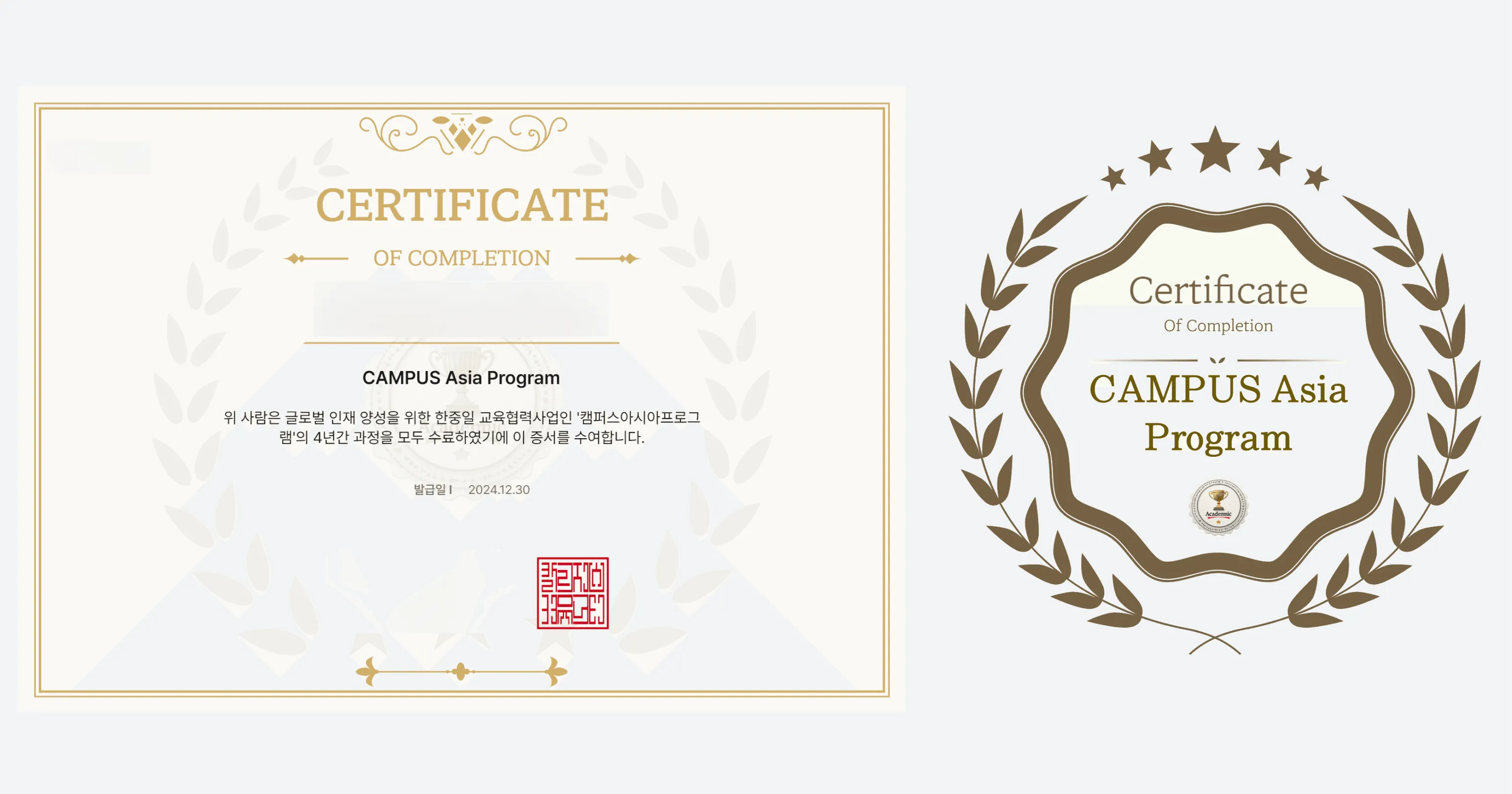
As global student recruitment and international joint education expand, “operational outcomes” must now be proven in transparent and trustworthy ways.
Kolleges helps educational institutions
-
Structure learner records
-
Capture participated projects
-
Track growth and outcomes
and visualize them as digital badges - providing an official competency certification method that is internationally verifiable.
A digital badge is not merely a completion certificate. It is a trusted credential that crosses countries, languages, and platforms - and must become essential infrastructure for strengthening global education competitiveness.
✅ Demonstrate Your International Competitiveness With “Results”
At this moment of Korean education’s global expansion, the question is no longer simply about providing education, but about how to prove what you have achieved - and this will determine institutional competitiveness.
Digital badges are no longer optional - they are an essential strategy for global education.
👉 Start now with Kolleges and prove the “results” your education has created.
Frequently asked questions
Want to turn learning outcomes into verifiable assets?
From issuing to verifying and amplifying, see it for yourself with Kolleges.
Request a Kolleges demoRelated posts

Why Are Universities Abroad Actively Adopting Digital Badges?
Leading global universities like Harvard and Tampere are using digital badges to verify competencies and power micro-degree systems, signaling a shift Korean institutions should act on now.

Digital Badge Use Cases Across Southeast Asia
Singapore, Malaysia, Thailand, the Philippines, Vietnam, and Indonesia are each building distinct digital-badge and micro-credential ecosystems - from SIM's stackable courses to TESDA's 335-course TVET registry.

How Do Korean Universities Operate Their Microdegree Programs?
Four Korean universities - Sejong, Korea, Dankook, and Chung-Ang - show how short-credit microdegree programs pair with digital badges to turn learning outcomes into verifiable proof.